Latest Arrests in Daring Museum Raid
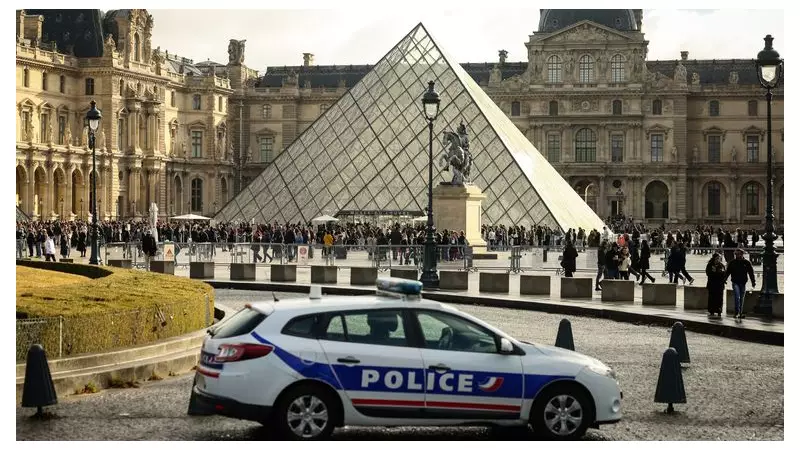
French authorities have made a significant breakthrough in the investigation into the audacious theft at the Louvre museum, confirming the detention of four additional suspects. The Paris prosecutor, Laure Beccuau, announced that two men and two women from the Paris region were taken into custody on Tuesday.
The individuals, aged 31, 38, 39, and 40, are currently undergoing intensive police questioning. Under French law, they can be held for up to 96 hours as investigators work to determine their suspected roles in the multi-million-pound robbery.
The Missing Treasure
The heist, which occurred in October while the museum was open to the public, resulted in the loss of priceless French Crown Jewels with an estimated value of £76 million. The stolen collection includes an exquisite diamond and emerald necklace that Napoleon Bonaparte gave to Empress Marie-Louise.
Also missing are jewels connected to 19th-century Queens Marie-Amelie and Hortense, as well as Empress Eugenie's magnificent pearl and diamond tiara. Despite the recent arrests, none of these historic items have been recovered.
How the 'Heist of the Century' Unfolded
The robbery was executed with startling speed and precision. On Sunday, 19 October, two perpetrators used a stolen furniture lift to access the second-floor Galerie d'Apollon. They then employed angle grinders to breach display cases containing the jewels.
The thieves made their escape on the backs of two scooters driven by accomplices, completing the entire operation in mere minutes. This brazen theft has raised serious questions about the security protocols at the world's most-visited museum.
These latest arrests follow preliminary charges being filed last month against three men and one woman in connection with the robbery. The Paris prosecutor has previously indicated that the crime appeared to be the work of small-time criminals rather than professional gangsters.
Race Against Time to Recover History
Speaking to Sky News shortly after the theft, renowned art detective Arthur Brand emphasised the urgency of the situation, describing the investigation as a "race against time" to recover the stolen treasure.
Mr Brand explained that the historical significance of the crown jewels makes them virtually impossible to sell on the open market. The grave concern is that thieves may resort to dismantling the pieces, melting down precious metals, and recutting diamonds, which would mean these cultural artefacts could be lost forever.
The Louvre has faced considerable scrutiny in the wake of the robbery, with the museum's director having offered to resign and the affected gallery remaining closed as security and structural assessments continue.