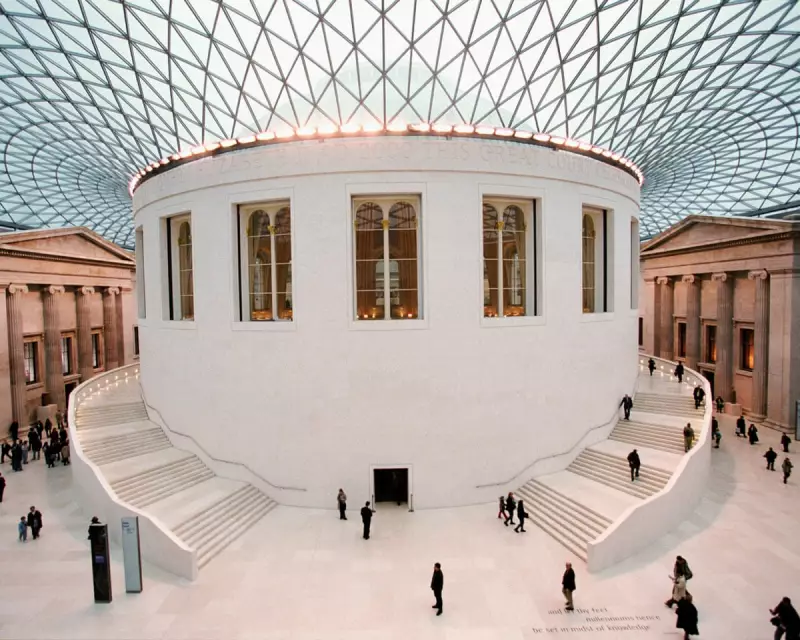
The British Museum has terminated its controversial 15-year sponsorship arrangement with Japan Tobacco International (JTI) following government concerns about breaches of international tobacco control agreements.
Government Intervention Ends Troubled Partnership
The museum's board decided against renewing the partnership, which officially concluded in September. Pressure mounted earlier this year when the campaign group Culture Unstained obtained correspondence through a freedom of information request showing the government had raised serious questions about the deal in January.
The Department of Health and Social Care informed the Department for Culture, Media and Sport that the sponsorship potentially violated the World Health Organization's framework convention on tobacco control (FCTC), which prohibits states from advertising and promoting smoking products.
Long-Standing Criticism Comes to Head
Opposition to the tobacco sponsorship has been building since 2016, when approximately 1,000 experts signed an open letter to both the British Museum and Royal Academy describing JTI's sponsorship as morally unacceptable.
Dr Allen Gallagher, co-director of the Tobacco Control Research Group at the University of Bath, explained that such agreements enable a deadly industry to use UK cultural institutions to improve its public image. The research group recently published a report indicating the sponsorship formed a key component of JTI's lobbying strategy.
Labour MP Dr Simon Opher, who works as a GP, expressed deep concern that a national cultural institution had been sponsored by a tobacco company for 15 years in clear breach of WHO guidelines. He emphasised that public bodies should never legitimise industries that profit from harm.
Broader Sponsorship Controversies Continue
The decision highlights ongoing debates surrounding corporate sponsorship of UK cultural institutions, with the British Museum frequently at the centre of such controversies. The institution continues to face criticism over its 10-year sponsorship deal with BP signed in 2023, described by opponents as astonishingly out of touch.
Climate activists disrupted the museum's inaugural Pink Ball in October, protesting the BP partnership that continues to overshadow the institution. The event raised £2.5 million despite the demonstrations.
Museum director Nicholas Cullinan has defended the institution's approach to sponsorship, stating he evaluates donations based on whether funds were legally acquired and whether acceptance would cause reputational damage. He emphasised the importance of maintaining free public access to the museum's collections.
A British Museum spokesperson expressed gratitude for JTI's support, noting that sponsorship remains crucial for securing the institution's financial future. They highlighted that combined public and private funding ensures the magnificent collection remains free and accessible to visitors.
The museum currently states it is not conducting a review of existing sponsorships, despite recent industry developments. Last month, members of the Museums Association voted to adopt an ethics code expecting museums to transition away from sponsorship by organisations involved with environmental harm, human rights abuses, and other activities conflicting with museum values.
While JTI's association with the British Museum has ended, the tobacco company continues to sponsor other UK cultural organisations, including the Royal Academy of Arts and the London Philharmonic Orchestra.