Intergenerational Families Flock to Arthouse Films in Australian Cinematheques
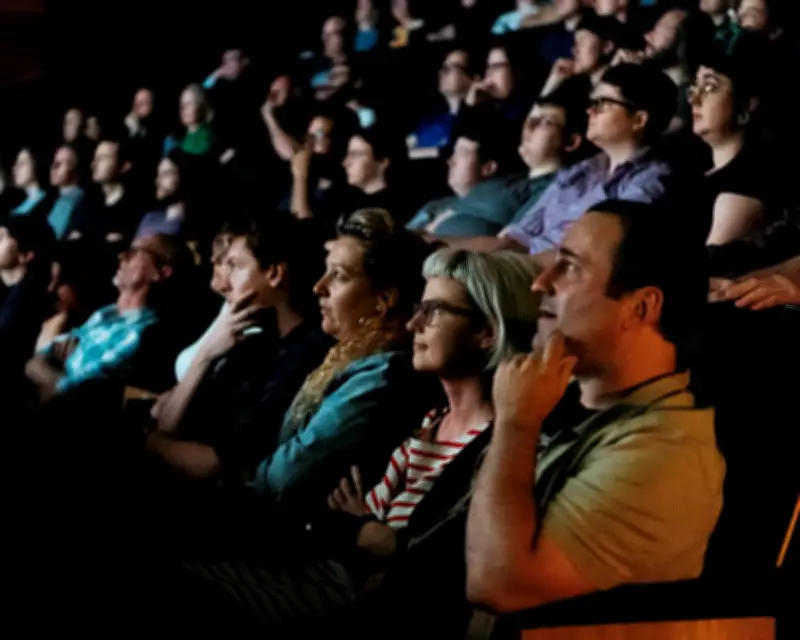
The allure of independent arthouse cinema is experiencing a remarkable resurgence across Australia, with venues like the Gallery of Modern Art in Brisbane reporting a surge in attendance from diverse age groups. According to Amanda Slack-Smith, curatorial manager at the Australian Cinémathèque, screenings such as Wong Kar-wai's In the Mood for Love have drawn not only classic cinephiles but also intergenerational families, including older parents with their adult children and grandchildren.
Rising Popularity of Cinematheques Nationwide
Australia's cinematheques, which originated in Paris in the 1930s to preserve film archives, are thriving in galleries and museums. Key institutions include the Australian Cinémathèque at Goma, the soon-to-launch Sydney Cinémathèque at the Art Gallery of New South Wales, and Melbourne Cinémathèque at the Australian Centre for the Moving Image. Additional venues like Adelaide's Mercury cinema, Perth's Revival House, and the Hobart Film Society contribute to a vibrant network that champions cinema as an art form.
These cinematheques offer retrospective screenings, underseen highlights, and indie discoveries, providing a vital alternative to Hollywood franchises and streaming services. Slack-Smith emphasises that their role is to act as translators, curating gems for audiences without overwhelming them with scholarship. This approach resonates particularly with younger demographics, who are increasingly valuing curated cinematic experiences over digital platforms.
Impact on Viewing Habits and Audience Demographics
The appeal of cinematheques is reshaping viewing habits, as noted by attendees like Grace Boschetti in Melbourne. After discovering Michelangelo Antonioni's L'Eclisse at university, Boschetti became a regular at Melbourne Cinémathèque, shifting from predominantly new releases to attending repertory screenings multiple nights a week. This trend reflects a broader movement where patrons seek the magic of classic films, often screened in original formats like 35mm, which cinematheques uniquely provide.
Ruby Arrowsmith-Todd, film curator at Sydney Cinémathèque, attributes the growing young audience to platforms like Letterboxd, which foster curiosity for both classics and off-canon works. Additionally, cinematheques are investing in training for emerging film professionals, including projectionists, to preserve analogue film techniques and screen a full range of film history.
Filling Gaps in the Film Industry
As commercial cinemas struggle to match pre-Covid box office figures and often prioritise recent releases, cinematheques fill a crucial gap by offering context and community. They enable conversations around film history and provide access to material that might otherwise be overlooked. For instance, screenings of In the Mood for Love at Goma highlighted the original 35mm print, drawing audiences appreciative of its authenticity.
Boschetti summarises the sentiment, stating that cinematheque screenings offer a transformative experience unmatched by home viewing. With their focus on discovery and quality, Australia's cinematheques are not only preserving film heritage but also fostering a new generation of film enthusiasts, ensuring the enduring magic of cinema continues to captivate intergenerational audiences.