Culture Secretary Demands National Reach as £1.5bn Arts Funding Package Unveiled
Culture Secretary Lisa Nandy has announced a transformative £1.5bn funding package for the arts sector, while issuing a clear mandate for London-based national institutions to significantly extend their reach across every region of the United Kingdom. The landmark investment represents what Nandy describes as "the biggest reset in the arts for a generation," aimed at repairing the nation's cultural infrastructure and restoring national pride.
Funding Distribution and National Mandate
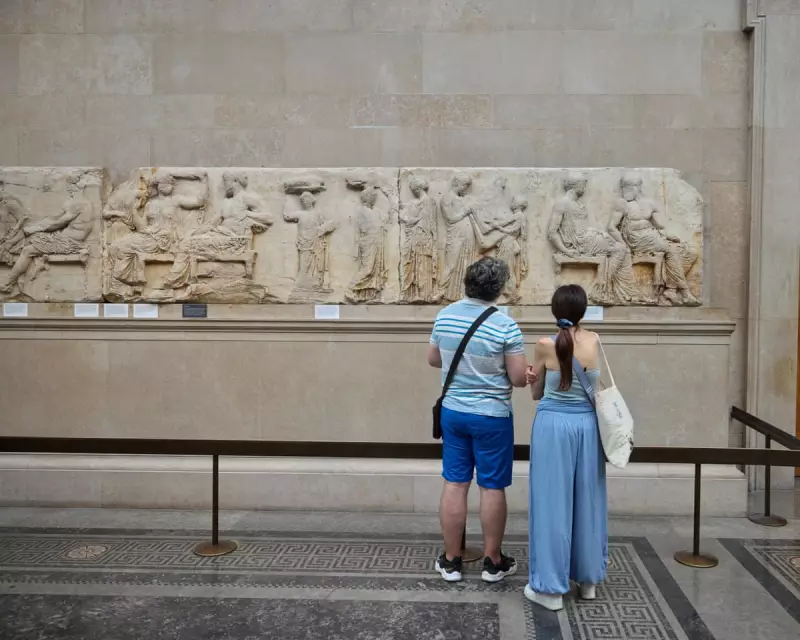
National museums including the British Museum and National Portrait Gallery will receive a substantial £600m portion of the total funding. However, Nandy has explicitly stated that these institutions must work harder to become "genuinely national" by creating opportunities for young people from all parts of the country. "Almost all of our national institutions are based in London," Nandy emphasised, "which means they need to work harder to make sure that they are genuinely national institutions [by] opening opportunities for young people from every part of our country."
The culture secretary pointed to the outreach work of the Royal Shakespeare Company as a positive example of how national institutions can successfully engage visitors across different regions. "I'm saying to institutions: 'We are building the doors, but now you need to throw them wide open to the whole community,'" she declared during the funding announcement.
Comprehensive Funding Breakdown
The £1.5bn package represents a massive injection into a sector that has faced significant challenges since Arts Council England funding was cut by 30% in 2010. The comprehensive breakdown includes:
- £600m for national museums
- £425m Creative Foundations Fund managed by Arts Council England to support approximately 300 capital projects
- £230m for the heritage sector
- £160m for local and regional museums
- £80m for national portfolio organisations over the course of this parliament
- £27.5m available for public library applications
Nandy framed this investment as comparable to the post-second world war period, "when a generation of visionaries stepped forward and used the power of the arts to help light the way forwards for a very fractured, devastated nation." She stressed that "we're investing in every borough in the country because arts belongs to everybody and we are determined to ensure that wherever you live in the country, whatever your background, access to arts and culture belongs to you."
Sector Response and Ongoing Challenges
While the funding announcement has been broadly welcomed across the cultural sector, dissenting voices have highlighted ongoing challenges. Darren Henley, Chief Executive of Arts Council England, praised the government's commitment, stating: "By continuing to fund our cultural infrastructure, the government is investing in our collective future in ensuring creative opportunities for generations to come."
However, Mike Clancy, General Secretary of the Prospect union, criticised the package's focus on physical infrastructure rather than addressing workforce issues. "Our culture is not just about artefacts, sites and buildings but about the people who bring it to life," Clancy argued. "This sector is facing an ongoing and intractable crisis in pay and retention which has to be addressed."
Future Reforms and Strategic Changes
Nandy also addressed the recent review of Arts Council England conducted by Margaret Hodge, which identified a "loss of respect and trust" within the sector and criticised perceived political interference in decision-making. The culture secretary hinted she would support Hodge's recommendations, including the potential scrapping of ACE's "let's create" strategy, when she officially responds next month.
Describing the review as "a really welcome shake-up of a sector that has been underfunded, undervalued and underutilised for too long," Nandy signalled potential significant reforms in how arts funding is distributed and managed across the United Kingdom. This comprehensive approach suggests a fundamental shift in cultural policy aimed at creating more equitable access to arts and heritage resources nationwide.