The UK government has announced that 2026 will be designated the National Year of Reading, a major campaign launched to tackle a deepening crisis in reading for pleasure among children and young people. The initiative comes as statistics reveal a dramatic decline in reading habits, threatening educational outcomes and future social mobility.
A Nation in Reading Crisis
Alarming data underpins the urgent need for action. Reading for pleasure among UK children is at its lowest level in two decades, according to the National Literacy Trust. Their research shows that only one in three young people aged eight to eighteen now enjoy reading in their spare time, representing a staggering 36% drop over twenty years. The problem is most acute among teenage boys and children from the poorest backgrounds. Furthermore, a quarter of pupils in England left primary school this year without meeting the expected standard in reading.
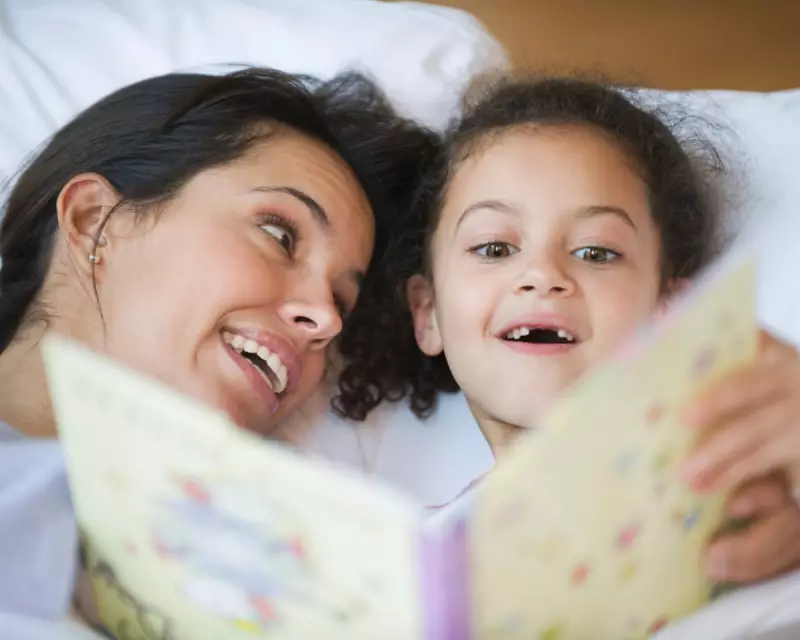
This decline is compounded by a generational break in the habit. Half of all adults in the UK do not read regularly, and studies indicate many parents do not enjoy reading to their children. This breakdown threatens what the campaign describes as a vital gift passed between generations.

Major Initiatives for a New Generation of Readers
The National Year of Reading 2026 will spearhead several high-profile projects designed to reignite a passion for books. A cornerstone of the plan is the launch of the first Children's Booker prize, aimed at readers aged eight to twelve. The inaugural award in 2026 will be chaired by Children's Laureate Frank Cottrell-Boyce and will include young judges on its panel. Thousands of copies of the shortlisted and winning titles will be distributed to children.
In a move targeting the very youngest citizens, the Cultural Policy Unit thinktank is advocating for library cards to be automatically issued to all newborn babies. This recognises the critical importance of a child's first 1,000 days, where shared reading is key to cognitive and emotional development and fosters crucial bonding.
As part of the year's activities, 72,000 new books will be distributed to children with the greatest need, aiming to make literature more accessible and affordable.
Beyond Screens: The Deeper Challenges
While the pervasive use of smartphones and social media is a significant factor—with a quarter of three- and four-year-olds owning a phone—experts warn it is not the sole cause. Record levels of child poverty, library closures due to austerity, and pressures on family time from long working hours or complex home situations create substantial barriers to establishing a daily reading routine.
Chancellor Rachel Reeves has pledged to ensure every primary school has a library, a commitment campaigners say must be the baseline. For the National Year of Reading to have a lasting impact, they argue it must be backed by sustained funding, support for trained librarians, and resources for parents and children with special educational needs.
The campaign echoes author Margaret Atwood's belief that "A word after a word after a word is power." The National Year of Reading 2026 represents a concerted national effort to ensure every child is given that fundamental power for life.