The literary landscape of 2025 has been remarkably rich, marked by the return of towering figures and the arrival of dazzling new voices. This year's best fiction offers everything from sprawling historical epics to intimate family dramas, each grappling with the pressing issues of our time, from climate crisis and political extremism to memory, identity, and love.
Literary Giants Make Long-Awaited Returns
Thomas Pynchon, one of the few remaining giants of 20th-century literature, published his first novel in twelve years. Shadow Ticket (Jonathan Cape) is a larky prohibition-era whodunnit set against the backdrop of rising Nazism, drawing sprawling connections to the spectre of contemporary fascism.
Another major comeback was Chimamanda Ngozi Adichie's first novel in over a decade. Dream Count (4th Estate) is a beautifully composed compendium tracing the interconnected lives of four women between Nigeria and the United States, exploring love, motherhood, solidarity, and violence.

Ian McEwan also delivered a significant work, What We Can Know (Cape). The novel is set in the 22nd century, where a scholar looks back from beyond an apocalypse at a close-knit group of literary lions from our era. It's a poignant wrangle with what humans care about, from survival to art in the face of environmental disaster.
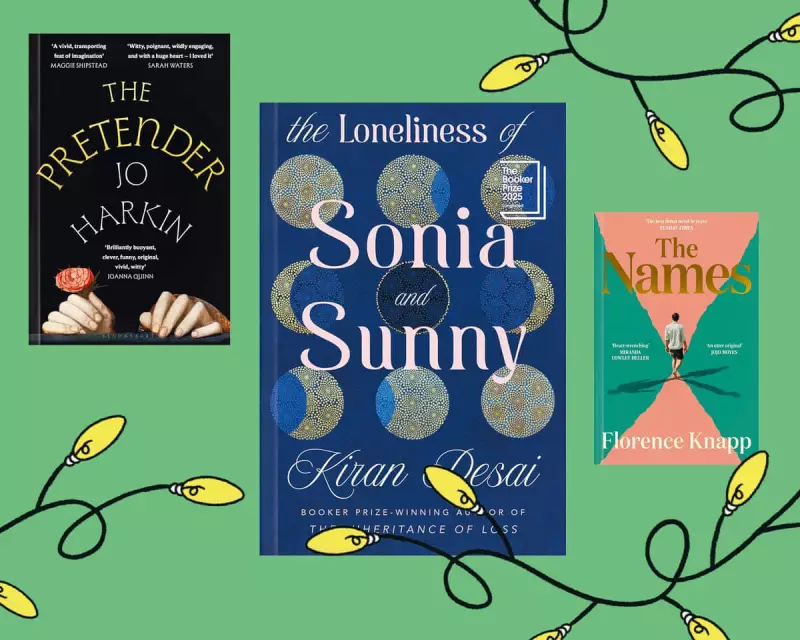
Other esteemed authors added to the year's bounty. Salman Rushdie released The Eleventh Hour (Cape), a playful quintet of mortality-soaked short stories, marking his first fiction since the 2022 assault. Kiran Desai presented her Booker-shortlisted epic The Loneliness of Sonia and Sunny (Hamish Hamilton), a precise and vast exploration of globalised life two decades in the making.
Major Themes and Award-Winning Titles
The climate crisis emerged as a powerful theme. Sarah Hall's colossal Helm (Faber), also twenty years in the writing, tells the story of a Cumbrian wind from Earth's formation to the present. It's a narrative tour de force and an urgent intervention on the environmental emergency.
The Booker Prize was awarded to David Szalay for Flesh (Cape), a bleak, uncompromising, and riveting novel that traces the rise and fall of a man, putting the primacy of the body front and centre. Another Booker-shortlisted novel, Katie Kitamura's Audition (Fern), is a slippery, puzzle-box investigation into performance and identity through the lenses of family and theatre.
American sagas shone brightly. Eric Puchner's Dream State (Sceptre) is a deeply pleasurable yet melancholic family story unspooling over half a century, with the climate crisis increasingly to the fore. Susan Choi impressively mapped a family saga onto 20th-century geopolitical upheavals in Flashlight (Cape), a masterclass in individual lives against historical tides.
Standout Debuts and Short Story Collections
The year featured several remarkable first novels. Florence Knapp's The Names (Phoenix) was a major debut, executing a high-concept Sliding Doors narrative about a son given three names and the three different lives that unfold. It became a tender portrait of hope and family love.
Nussaibah Younis's Women's Prize-shortlisted Fundamentally (W&N) was a fearless and funny critique of international aid. Other notable debuts focused on youth, including Seán Hewitt's Open, Heaven (Cape) on gay first love and Colwill Brown's blistering We Pretty Pieces of Flesh (Vintage) about girlhood in 2000s Doncaster.
In short fiction, Tony Tulathimutte's Rejection (4th Estate) offered brutally funny, linguistically inventive excoriations of digital life. However, the undoubted collection of the year was Liadan Ní Chuinn's Every One Still Here (Granta). These fiercely political stories, humming with life's mysteries, tackle the Troubles' generational trauma and questions of memory, marking the arrival of a phenomenal new talent.

From the weighty themes of legacy and collapse to the sharp insights of debutants, the fiction of 2025 proves literature's vital role in examining and illuminating our complex world.