As winter's chill embraces Britain, we turn to the timeless verses of Thomas Campion, whose 17th century poem Now Winter Nights Enlarge continues to resonate with modern readers seeking solace in seasonal reflection.
The Elizabethan Physician-Poet
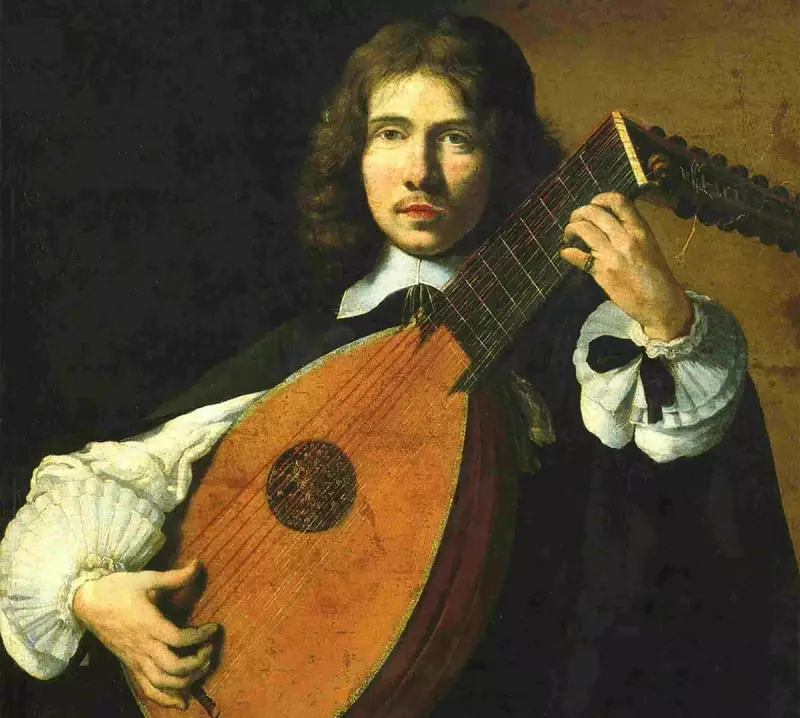
Thomas Campion (1567-1620) embodied the Renaissance ideal of the multi-talented intellectual. As a poet, composer and physician, he brought unique perspectives to his creative work. His classical education at Cambridge profoundly influenced his artistic approach, though he notably left without taking a degree.
This week's featured poem comes from The Third Book of Ayres, demonstrating Campion's signature blend of musicality and poetic precision. Unlike many of his contemporaries, Campion approached poetry with both artistic sensibility and intellectual rigour.

Anatomy of a Winter Masterpiece
Now Winter Nights Enlarge celebrates winter's consolations with remarkable grace and technical sophistication. The poem transforms the season's darkness and storms into an opportunity for cultivated domestic pleasures.
Campion establishes immediate contrast between the external weather and internal warmth: "Now let the chimneys blaze / And cups o'erflow with wine". This imagery creates a compelling juxtaposition that runs throughout the poem.
Musical Structure and Rhythmic Innovation
The poem's dominant iambic trimeter creates a light, rhythmic step that perfectly complements its themes. However, Campion strategically employs iambic pentameter in each verse's penultimate line, effectively demonstrating the "enlarged" winter nights through metrical expansion.
His rhyming demonstrates particular sophistication. While using familiar pairings like "love/remove" and "joys/toys", he refreshes them through intelligent contextual placement. Less conventional rhymes like "enlarge/discharge" expand the poem's discursive range.
Philosophical Depth and Social Observation
Beyond its atmospheric qualities, the poem reveals Campion's philosophical nature. He engages in self-argument, carefully reasoning through his positions. The second verse acknowledges that "All do not all things well" – a dry observation about amateur entertainments that reveals the poet's perfectionist standards.
The treatment of love as both essential and ultimately trivial ("though love and all his pleasures are but toys") demonstrates Campion's complex perspective. This conclusion feels earned rather than contrived, emerging naturally from the poem's progression.
Campion's Controversial Views on Rhyme
Despite his evident skill with rhyme, Campion expressed reservations in his treatise Observations in the Art of English Poesie. He criticised "ear-pleasing rhymes without art" and lamented how rhyme's accessibility created "as many Poets as a hot summer flies".
This apparent contradiction between practice and theory suggests Campion valued intellectual scope above technical facility. His unrhymed poems, including the beautiful Rose-cheeked Laura, demonstrate his commitment to varied poetic forms.
Enduring Literary Legacy
More than four centuries after its composition, Now Winter Nights Enlarge continues to captivate readers and scholars. Campion's ability to balance sensory richness with intellectual depth ensures the poem's lasting relevance.
The work stands as testament to the enduring power of poetry to transform seasonal adversity into artistic opportunity, reminding us that winter possesses its own distinctive delights worthy of celebration.