The Formative Books That Shaped a Literary Career
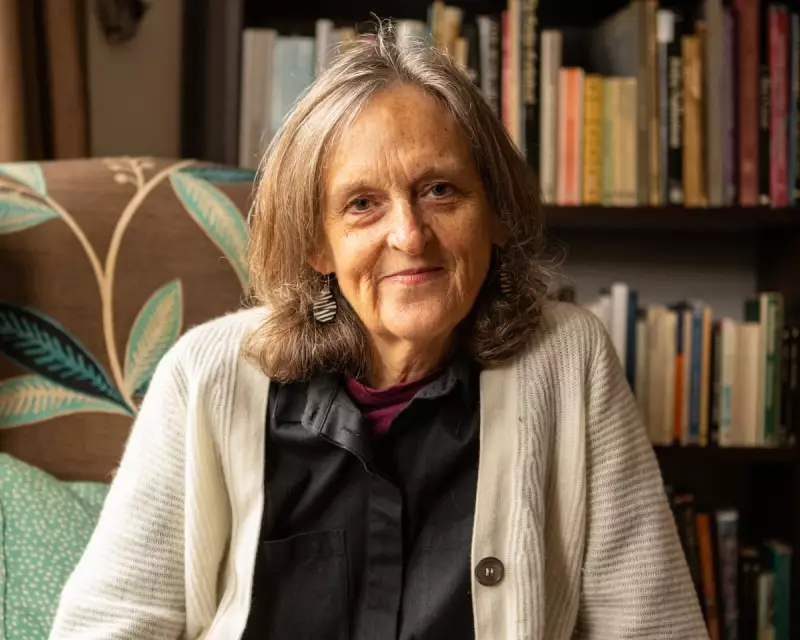
In a revealing interview about her literary influences, acclaimed British author Tessa Hadley traces how her reading journey began with unexpected childhood favourites and evolved through different life stages. Her earliest reading memory involves a Ladybird Book of the Lord's Prayer, whose vivid 1960s illustrations left a lasting impression, particularly the image of a boy leaving a handprint on freshly painted walls.
Childhood Reading and Literary Awakening
Growing up, Hadley found particular delight in E Nesbit's The Wouldbegoods, captivated by the rich world of Edwardian children with their distinctive clothing, sophisticated vocabulary, and household staff. She recalls how books made the past feel immediately accessible, as if historical events were happening in the next room, separated only by the thinnest of veils.
Her teenage years brought a rebellion against her girls' grammar school through immersion in Jean Plaidy's historical novels. These books provided an escape from school's grey reality, filling her imagination with dramatic tales featuring pregnancies, deformities, adulteries, and even messengers forced to eat their own shoe leather for delivering bad news.

Discovering Literary Complexity
A significant turning point came when Hadley moved to a comprehensive school and encountered Andrew Marvell's An Horatian Ode through a new teacher. This poem about Charles I's execution opened her eyes to new possibilities of subtlety in writing, demonstrating how literature could maintain ambiguity about which side the author supported.
The desire to write emerged early, fueled by all the books she loved. Hadley describes storytelling as the most powerful magic she knew, initially expressed through childhood games with friends. The intricate fiction of Henry James, particularly What Maisie Knew, intensified her longing to create similarly complex and living works on the page, though it also presented a daunting challenge.
Rediscovering Authors and Comfort Reading
Hadley eventually found her way into Vladimir Nabokov's work through Speak, Memory, having previously struggled with his slippery style. Understanding Nabokov's approach to his own life helped her appreciate his distinctive ironies and his portrayal of America.
Leo Tolstoy's Anna Karenina has been a constant companion throughout her life, with different characters resonating at various stages. She explains how she first identified with Kitty's youth, then longed for Anna's passionate romance, later related to Dolly's domestic struggles, and now finds herself closer to the old countess growing irrelevant in the margins.
A significant later-life discovery was Anita Brookner, whom Hadley had mistakenly dismissed as perfumed and ladylike until reading Latecomers. She describes the thrill of discovering a new author as encountering an undiscovered continent of work stretching out before you.
During the pandemic, Hadley returned to childhood books for stability, though she notes that comfortable books aren't always comforting. She observes that uneasy books are better in uneasy times, suggesting that literature matching our emotional state often provides more genuine solace.
Hadley's latest novel, The Party, continues her exploration of complex human relationships and is published by Vintage (£9.99).