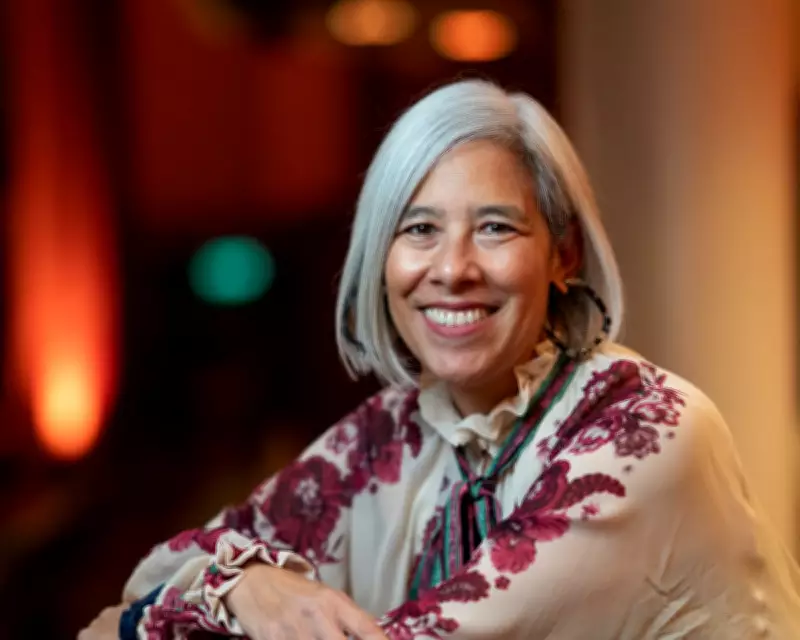
In a recent interview, Booker-shortlisted novelist Susan Choi offered a captivating glimpse into the books that have shaped her literary life, revealing a journey from childhood enchantment to adult revelation.
Earliest Reading Memories and Childhood Favourites
Choi's earliest reading memory involves a moment of impatience with her mother's bedtime storytelling. She recalls asking her mom to stop reading so she could take over, eager to devour Roald Dahl's Charlie and the Chocolate Factory or its sequel, Charlie and the Great Glass Elevator, at her own pace. This early independence hinted at a lifelong passion for literature.
Growing up, she developed a fondness for miniature worlds, cherishing E.B. White's Stuart Little for its protagonist's relaxed demeanor and dapper style, complete with tiny canoes and sailboats. Similarly, Mary Norton's The Borrowers series captivated her with its imaginative tales of tiny people living under floorboards, improvising household goods from borrowed items like safety pins and matchboxes.

Transformative Reads and Literary Influences
As a teenager, Donald Barthelme's Sixty Stories had a profound impact on Choi. She admired Barthelme's smart, mischievous, and irreverent style, which helped her grasp the existence of a broader world of art and literature. Notably, Barthelme was from Houston, where Choi grew up, making his global success feel both inspiring and accessible.
In the early 1990s, while in graduate school, Choi experienced a seismic shift upon reading Sigrid Nunez's short story Chang, later part of Nunez's first book, A Feather on the Breath of God. This story featured a multiracial character—a rarity in fiction at the time—and mirrored Choi's own background as the daughter of a white European woman and a brown Asian man. This revelation disrupted her previous writing tendencies, where she had given Korean characters white-sounding names, influenced by models like Virginia Woolf and Henry James.
Aspirations and Reassessments
Choi attributes her desire to be a certain kind of writer to Virginia Woolf's To the Lighthouse. She so desperately wanted to emulate Woolf's style that it initially made her own writing insufferable, highlighting the powerful influence of literary idols.
One of her most notable rereads is F. Scott Fitzgerald's The Great Gatsby, a book she despised in school but has since come to love like a comfort food—familiar and satisfying, despite its flaws. Similarly, she revisited Charles Dickens later in life, having previously associated him with unbearable Christmas TV specials. Reading Bleak House during the pandemic proved to be one of the great reading experiences of her life.
Later Discoveries and Current Reads
Choi admits she could never read Tom Robbins again, as books like Another Roadside Attraction now make her cringe, despite seeming great in her teens. In contrast, she discovered a late fascination with Homer's Odyssey, recently becoming engrossed in different translations.
Currently, she has just finished J.A. Baker's The Peregrine, describing it as an extraordinary, uncategorisable, and immersive book that felt transformative. Her own work, Flashlight, is set to be published in paperback by Vintage next month.