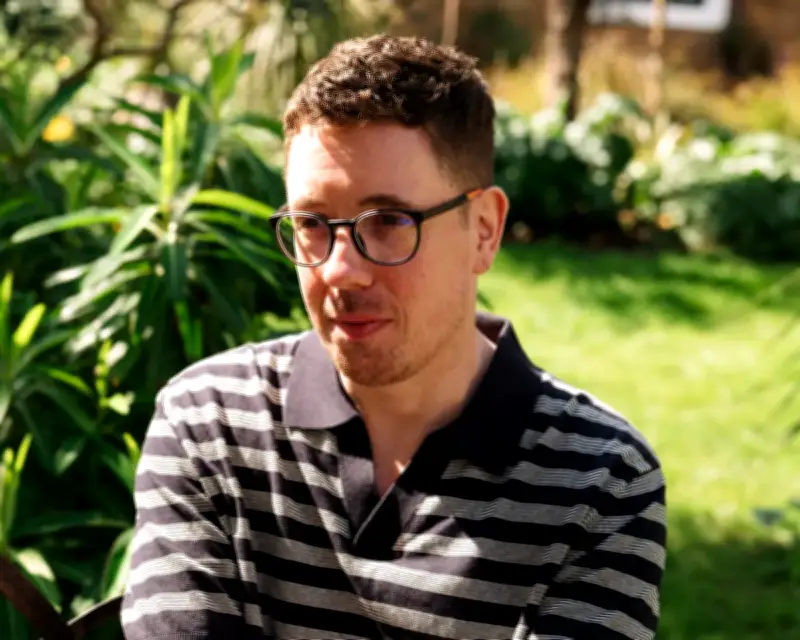
Tom Newlands' new novel, Something Like Happiness, follows a young Scottish couple, Frazer and Caitlin, as they struggle to care for their five-year-old autistic son, Jamie, while living in a decaying flat in a Scottish new town. The novel, a follow-up to his 2024 debut Only Here, Only Now, explores themes of anger, grief, and the challenges of neurodivergence, leaving readers to ponder the nature of happiness amidst adversity.
A Couple Under Pressure
Frazer and Caitlin have been emotionally entwined since schooldays. Now in their mid-20s, they live in a grotty flat in a Scottish new town, where faded posters reading “Happiness, Here” hang amidst the decay. Jobs are scarce and unrewarding, and little Jamie, who has autism, is silent. The pressure is starting to tell on the couple.
Caitlin is described as “beautiful and driven,” fit, petite, and a rageaholic. At her mildest, she is irritated and unreasonable; at her worst, violent and intimidating. She is incensed at Frazer's refusal to move from their mould-infested block to a new council house they've been assigned. Frazer, however, is attached to Apex Court, where he was brought up, filled with relics of his dead parents, and it's the only home his son has ever known. “You've become the sad sack guardian of a bunch of shite that belonged to your parents, including their hovel of a flat,” Cait sneers.

A Bleak Portrait of Neurodivergence
Caitlin's shrewish mother Janetta also thinks Frazer is the problem, forever scheming to separate him from Jamie. Weighted towards Frazer's dazed perspective, Nothing Like Happiness would seem a better title for the novel. The plot concerns the aftermath of a punch by Cait that fells Frazer during one particularly vicious row.
Newlands, billed as a “neurodivergent writer,” focuses on a troubled young man in this follow-up. The novel feels thinner in texture than the exuberant Only Here, Only Now, leaving the reader largely to infer the characters' motivation. Grief-stricken at the loss of his mother, indecisive Frazer could have PTSD or a variant of the autism experienced by his son. Cait's hair-trigger fury could be a result of growing up with a violent father, her gruesome amateur boxing bouts a bid to impress him.
Care and Concern for Jamie
At least the pair are united in caring for their small son; the concern they devote to a mostly oblivious child is heartrending. Cait screams abuse at teachers and other parents for what she sees as their violation of Jamie's norms and boundaries. The question looms: is their protectiveness stopping him from integrating with peers?
Beyond Jamie's welfare, the pair's love of childhood pets – Frazer's budgie Sequin, Cait's iguana Natasha – hints at a softer connection, but their significance isn't fully explained. Frazer has potential confidants but stubbornly resists seeking help until he reaches the point of breakdown. Hoping to dissolve his shame, one helpful contact avers that one in six domestic abuse cases involve a female perpetrator and male victim. There are angels in unlikely places, the novel proposes, if you look for them.
Bleak Poetry and Unresolved Hope
Frazer can get riled himself, bristling at a description of the Apex as “this grey shithole.” Seeing through his eyes, Newlands conjures a bleak poetry in descriptions of the estate: “The wind had changed, and rain was drifting through the gap in the breezeblocks now. Over on Donaldson Drive someone was dragging a wheelie bin with a broken wheel.” Whether the rowing couple's relationship will ever amount to “something like happiness” is left to the reader to decide.
Something Like Happiness by Tom Newlands is published by Phoenix (£20). To support the Guardian, order your copy at guardianbookshop.com. Delivery charges may apply.