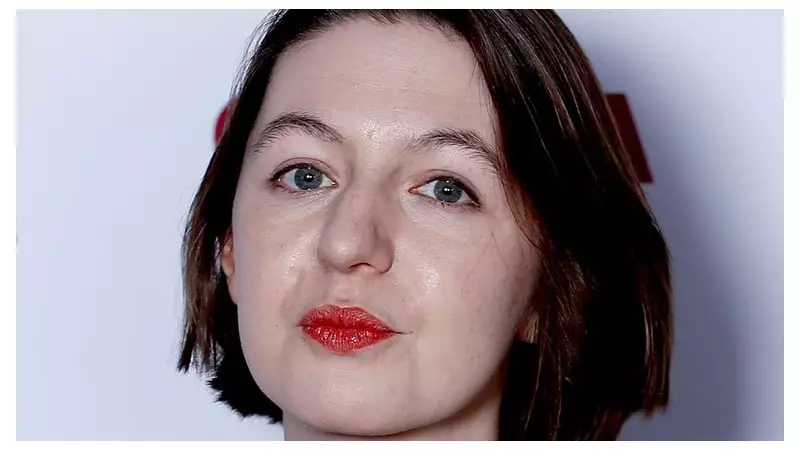
Acclaimed Irish author Sally Rooney has issued a stark warning in the High Court, stating that her future books may not be published in the United Kingdom and her existing titles could be withdrawn from sale. This unprecedented situation stems from the UK government's decision to proscribe the group Palestine Action.
Legal Challenge and the Terror Law Ban
The court hearing, which began on Thursday 27 November 2025, centres on a legal challenge brought by Huda Ammori, the co-founder of Palestine Action. Ammori is contesting the Home Office's move in July to ban the group under anti-terror legislation. This proscription made membership or support for Palestine Action a criminal offence, carrying a potential prison sentence of up to 14 years.
The case directly impacts Sally Rooney due to her public declaration in August that she would donate earnings from her books and their television adaptations—including the popular series Normal People and Conversations With Friends—to support the group. Following this, she was formally warned that she risked committing a terrorist offence.

Payment Blockade and Royalty Crisis
In a witness statement made public during the proceedings, Rooney detailed the immediate financial and professional consequences. She revealed that the producer of the BBC dramas had been advised they could not legally send payments to her agent if the funds could ultimately reach the proscribed group.
Rooney stated that it is now "unclear" whether any UK-based company can pay her. She elaborated on the severe implications for her income, which is "enormously restricted" if she cannot profit from her work. For future projects, she explained, "If I were to write another screenplay, television show or similar creative work, I would not be able to have it produced or distributed by a company based in England and Wales without, expressly or tacitly, accepting that I would not be paid."
Withdrawal of Books from the UK Market
The author described how her book publications operate on a royalty model. She highlighted a clause in her contract that allows her to terminate agreements if royalties are not paid. This presents a direct threat to the availability of her existing works in the UK.
"If, therefore, Faber and Faber Limited are legally prohibited from paying me the royalties I am owed, my existing works may have to be withdrawn from sale and would therefore no longer be available to readers in the UK," Rooney stated. She characterised this potential outcome as "a truly extreme incursion by the state into the realm of artistic expression."
Looking ahead, Rooney was unequivocal about the fate of new work. She said it is "almost certain" she cannot publish or produce new material in the UK while the ban persists. Her next book, she warned, would be available globally but unavailable to British readers "simply because no one will be permitted to publish it, unless I am content to give it away for free."
Representing the Home Office, Sir James Eadie KC defended the ban in a written submission. He argued its purpose is "stifling organisations concerned in terrorism" and ensuring the public faces criminal liability for supporting them. He stated this serves to "ensure proscribed organisations are deprived of the oxygen of publicity as well as both vocal and financial support."
The High Court hearing is scheduled to conclude on 2 December, with a final decision to be delivered in writing at a later date.