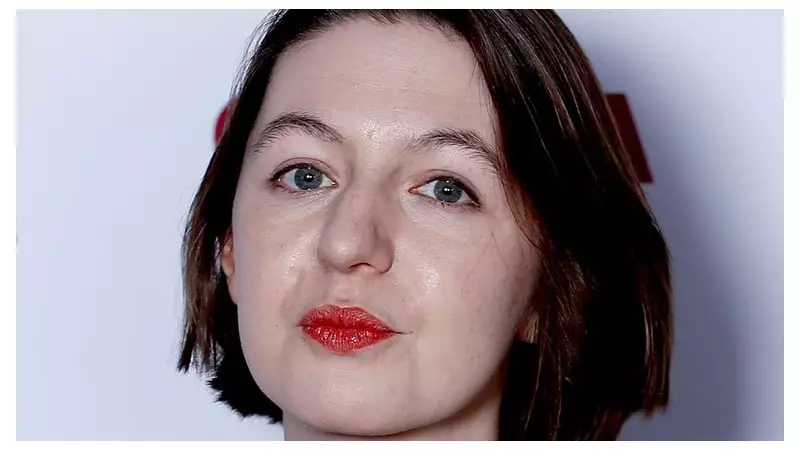
Bestselling Irish author Sally Rooney has declared she will be unable to publish new work in the United Kingdom while the government's ban on the activist group Palestine Action remains in force. The writer, famous for novels such as Normal People, has stated her public support for the group means her future books could be barred from UK publication and her existing works potentially withdrawn from sale.
Legal Challenge and Artistic Freedom
Rooney's stark warning was delivered to the High Court as part of a legal challenge against the proscription of Palestine Action. In her witness statement, she outlined the direct consequences for her literary career. "It is … almost certain that I can no longer publish or produce any new work within the UK while this proscription remains in effect," Rooney stated.
She elaborated that her next book would be available to readers globally and in dozens of languages, but would be "unavailable to readers in the United Kingdom" unless she was prepared to give it away for free. This situation, she argued, represents an "extreme incursion by the state into the realm of artistic expression."

Financial Support and Personal Risk
The author's commitment has already had significant personal and professional repercussions. Rooney revealed that since the proscription, she intends to use proceeds from her works to support Palestine Action. This stance led her to cancel a planned trip to the UK to collect an award, due to a genuine fear of arrest.
The legal uncertainty also extends to her back catalogue. Rooney expressed concern that her publisher, Faber & Faber, could be legally prohibited from paying her royalties. If this occurs, she confirmed that "my existing works may have to be withdrawn from sale and would therefore no longer be available to readers in the UK." Given her status as one of the UK's best-selling literary authors of the past decade, this would mark a significant cultural moment.
Brother Legal and Political Context
The court heard arguments from multiple parties regarding the legality of the ban. Adam Straw KC, representing UN special rapporteur Ben Saul, argued in written submissions that "there is a consensus, or emerging consensus, that this proscription was an unlawful interference in international law." He also contested the definition of terrorism extending to serious damage to property.
Responding for the home secretary, Sir James Eadie KC defended the government's position, asserting that "Parliament has decided what terrorism is, which includes serious damage to property." The case has already sparked significant public response, with the Metropolitan police confirming 143 people were arrested outside the court on Wednesday for alleged support of a proscribed group. The judicial review is scheduled to conclude on Tuesday.