In a striking cultural shift, the romance fiction genre is experiencing an unprecedented boom, with UK sales reaching a staggering £69 million in 2024. This remarkable growth, from a steady £20 million annually two decades ago, underscores a powerful trend: as global anxieties mount, readers are increasingly turning to stories of love and connection for comfort and hope.
The 'Lipstick Index' for Literature
The phenomenon mirrors the famous 'lipstick index', an economic theory observed by Leonard Lauder. It suggests that during times of crisis—such as after the 9/11 attacks or the 2008 financial crash—sales of small, affordable luxuries like lipstick rise. The same pattern is now vividly clear in publishing. Print sales of romance fiction in the United States have doubled in the past five years, while in the UK, the category's value leapt from £20m to £53.2m during the pandemic year of 2022, before climbing to its current record high.
This surge is not merely about escapism. At its core, the trend speaks to a profound human need for beauty and emotional resonance when the wider world feels bleak. A compelling romantic novel acts as a talisman—a small, bright candle against the darkness.

A New Golden Age for Romantic Storytelling
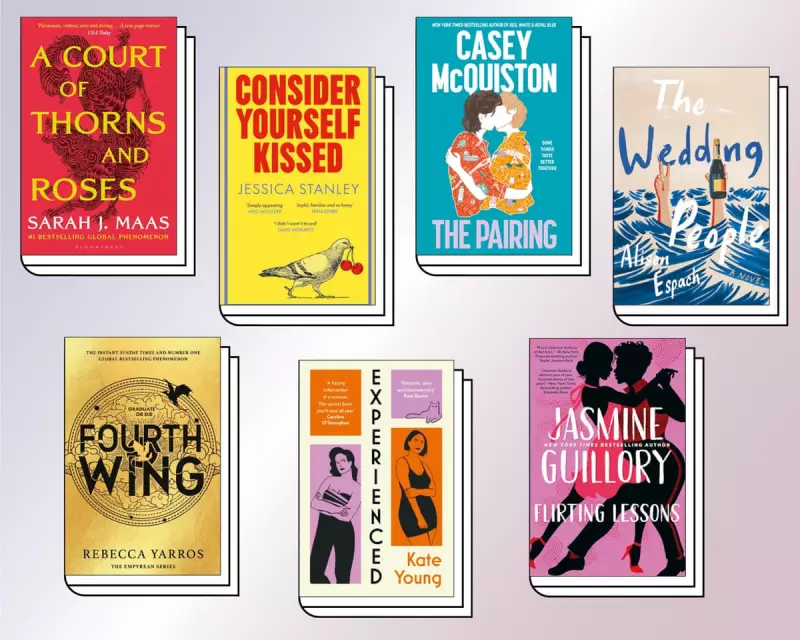
The current landscape is rich with diverse voices and record-breaking titles. Established authors like Emily Henry continue to dominate bestseller lists with hits such as 'Great Big Beautiful Life'. Meanwhile, 2025 has seen breakouts like Jessica Stanley's critically acclaimed 'Consider Yourself Kissed' captivate UK readers.
The genre's boundaries are also expanding. Alison Espach's 'The Wedding People' and the perennially popular 'Normal People' by Sally Rooney blend literary fiction with romantic beats. Furthermore, the red-hot 'romantasy' sub-genre, led by Sarah J. Maas's 'A Court of Thorns and Roses' and Rebecca Yarros's 'Fourth Wing', routinely claims the number one spot for weeks on end, demonstrating massive mainstream appeal.
Serious Themes Behind the Happy Endings
Despite often being dismissed by critics as frivolous or overly domestic, modern romance fiction boldly tackles the most pressing issues of our time. Authors weave narratives around chronic illness, climate anxiety, systemic racism, complex trauma, and economic hardship.
Jasmine Guillory's delightful novels offer sharp analyses of being a Black woman in America today. UK writer Talia Hibbert explores chronic pain and family dynamics within charming love stories. The rise of queer romance, with authors like Casey McQuiston and Alexis Hall entering mainstream charts, marks a significant and overdue shift in the industry.
The genius of the genre lies in its ability to handle these weighty themes with grace, ultimately leaving the reader feeling more hopeful. The guaranteed happy ending—often criticised as simplistic fantasy—is in fact a conscious narrative choice. It teaches readers to identify and cherish moments of joy, a sentiment echoed by Kurt Vonnegut's advice to "notice when you are happy."
Ultimately, the romance boom is more than a publishing trend; it's a cultural indicator. The 'lipstick index' reveals a desire for personal beauty, while this 'romance index' signals a deep, collective yearning for human connection. In an uncertain world, these stories remind us of the fundamental things that matter most: love, community, and the small, tangible joys of everyday life.