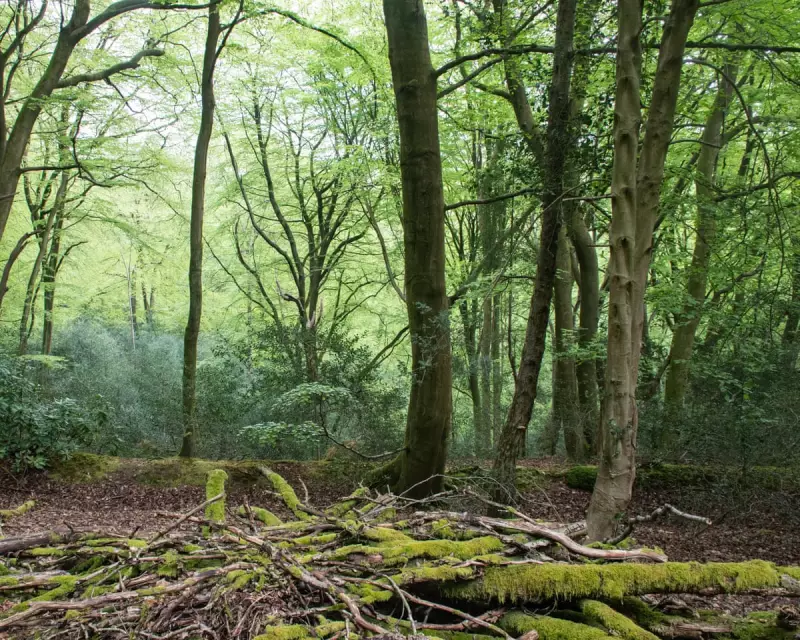
In a heartfelt letter to the editor, Professor Terry Gifford has expressed profound admiration for the work of Guardian columnist Paul Evans, describing his nature writing as deeply therapeutic and spiritually enriching. The academic, based in Wookey, Somerset, specifically referenced Evans' recent Country diary entry from 22 January, which focused on a kelo tree, as having a remarkably healing effect on readers.
The Transformative Power of Nature Writing
Professor Gifford articulated how Evans' column transcends traditional nature journalism by weaving together diverse elements into a cohesive and uplifting narrative. He noted that Evans begins his pieces with poetic language, then seamlessly integrates scientific observation, linguistic exploration—drawing from Finnish and Anglo-Saxon terms—alongside conservation insights and biblical references. This multifaceted approach culminates in what Gifford characterises as emotional reassurance, particularly valuable during times of personal vulnerability.
A Post-Pastoral Shaman
The professor coined the term "post-pastoral shaman" to describe Evans' unique literary style. This label suggests that Evans acts as a guide, leading readers beyond conventional pastoral depictions of nature to confront more complex themes of life and death. Gifford emphasised that this journey fosters an awareness of "life-in-death," which he finds profoundly healing. The column's impact was so significant that it inspired Gifford to venture outdoors with a renewed perspective, specifically to seek out and appreciate so-called "dead" trees with what he calls a "deepened understanding."

Broader Implications for Environmental Literature
This praise highlights the growing recognition of nature writing as not merely informative but as a potent form of therapy and spiritual exploration. Evans' work, often referred to as that of "The Shropshire miniaturist," demonstrates how detailed, localised observations can resonate on a universal level, offering solace and insight. The letter underscores the importance of such columns in fostering a deeper connection with the natural world, especially in an era marked by environmental concerns and personal anxieties.
Professor Gifford's endorsement serves as a testament to the power of well-crafted environmental journalism to inspire action and reflection. It encourages readers to engage more thoughtfully with their surroundings, seeing beauty and meaning even in aspects of nature that might initially appear lifeless or overlooked.