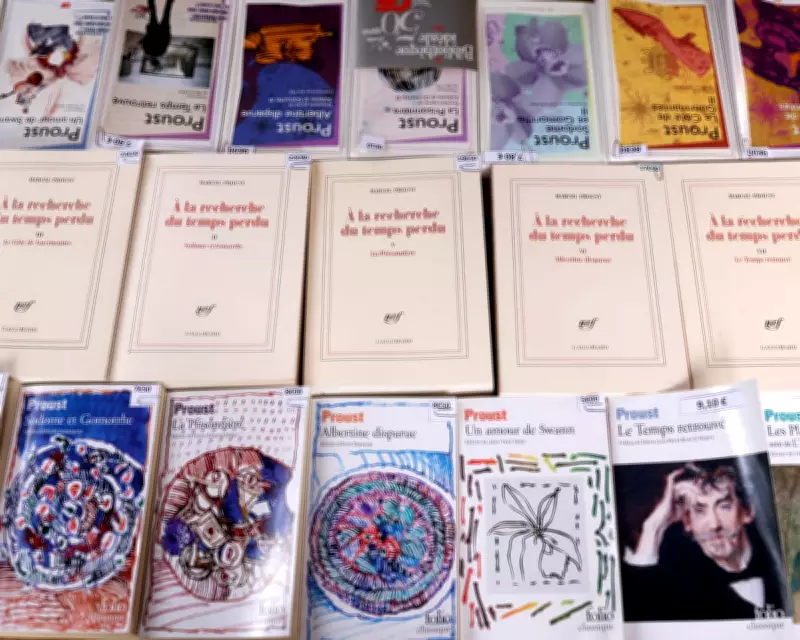
A recent study has highlighted a significant shift in reading habits, with modern readers increasingly favoring shorter books over lengthy tomes. The research, conducted by a leading literary organization, suggests that busy lifestyles and the rise of digital media are key factors driving this trend.
Changing Preferences
The study surveyed over 2,000 readers and found that 68% prefer books under 300 pages. Respondents cited lack of time and the desire for quick, satisfying reads as primary reasons. This marks a stark contrast to previous generations who often reveled in sprawling epics.
Impact on Publishing
Publishers are taking note, with many adjusting their strategies to cater to this demand. There has been a notable increase in the publication of novellas and concise non-fiction works. Additionally, serialized fiction is gaining popularity, allowing readers to consume stories in bite-sized portions.

Industry experts believe this trend could reshape literary culture. "We are seeing a democratization of reading," says Dr. Emily Carter, a literary scholar. "Shorter books make literature more accessible to people with demanding schedules."
Counter Arguments
However, some critics argue that this shift may undermine the depth and complexity traditionally associated with great literature. They worry that the art of sustained reading is being lost. Yet, proponents counter that quality can be found in any length, and that adapting to reader preferences is essential for the survival of the written word.
Ultimately, the study underscores a broader cultural move towards efficiency and immediacy. Whether this heralds a golden age of concise storytelling or a decline in literary ambition remains to be seen.