Daniyal Mueenuddin, the celebrated short-story writer, is poised to make a seismic impact on the literary world in 2026 with his debut novel, This Is Where the Serpent Lives. Published by Bloomsbury, this epic exploration of power, class, and corruption across generations in Pakistan is already generating significant anticipation.
A Sweeping Narrative of Interwoven Lives
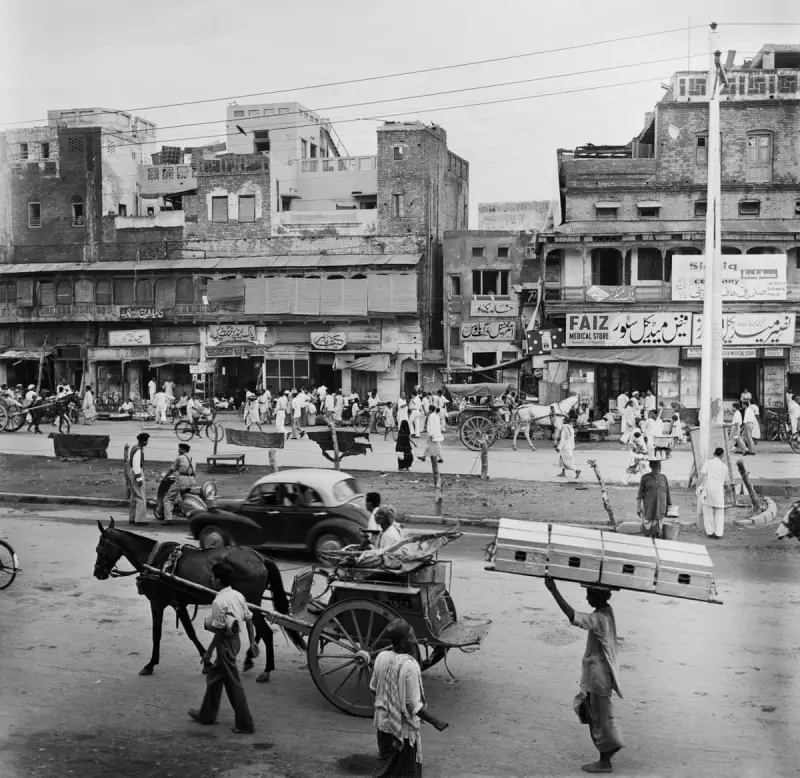
The novel's ambitious scope is achieved through a chain of four interlocking narratives, reminiscent of the structural brilliance of authors like Neel Mukherjee. It begins in the 1950s in a Rawalpindi bazaar, where a young, abandoned boy named Yazid is taken in by a tea stall owner. Clever and observant, Yazid grows up navigating the stark currents of wealth and influence, forming a fateful friendship with a privileged schoolboy, Zain.
This connection pulls him into the orbit of Zain's intellectual family and leads to a devastating infatuation with Zain's sister, Yasmin. The consequences propel Yazid into the service of a powerful army colonel and politician in Lahore, setting in motion a complex web of relationships that define the novel.

From Country Estates to Gilded Cages
The story then shifts to the Pakistani countryside, where the colonel's nephew, Rustom, returns from America to manage a decaying family estate. His Western-educated ideals clash violently with local corruption and the gangsters who were his family's traditional enforcers. Seeking help in Lahore, he is drawn into the glamorous but hollow world of his cousin, Hisham, and Hisham's wife, Shahnaz.
The third section unveils the uneasy truth behind Hisham and Shahnaz's impeccable facade. Their marriage, born from a calculated seduction, is observed by two figures: Yazid, now their chauffeur and fixer, and Saquib, a poor village boy they sponsor as a curious mix of servant and personal project.
A Full Circle of Wit and Brutality
The final narrative brings the novel full circle, focusing on Saquib and how he repays the patronage of Yazid and his wealthy employers. This section, noted for its sharp juxtaposition of humour and sudden violence, delivers a savagely powerful conclusion that sharply closes down prospects, echoing Mukherjee's most impactful work.
Throughout, Mueenuddin's writing is fluent, often very funny, and vividly sensory. He brings the smells, tastes, and textures of Pakistan to life with equal force to his portrayal of historical weight and entrenched corruption. Despite a large cast of characters, the storytelling remains immediate and compelling.
If there is a critique, it is that the four male-centric narratives offer no direct internal perspective from the novel's pivotal women—Yasmin, Shahnaz, and others—leaving their motives and secrets intriguingly opaque. This, however, may be a deliberate authorial choice reflecting the dominant male voice within the culture he depicts.
Ultimately, This Is Where the Serpent Lives is a masterful, panoramic novel that confirms Daniyal Mueenuddin's major talent. It is a strong contender to be one of the most discussed and admired literary works of 2026.