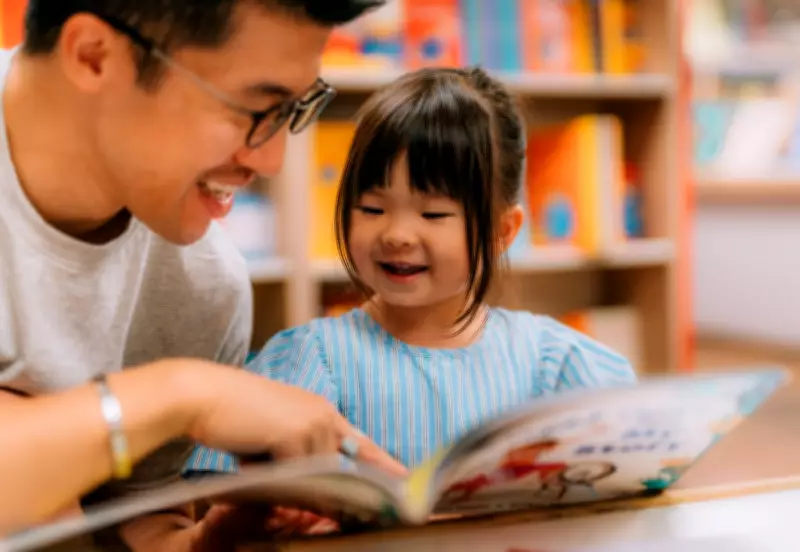
When stepping into a bookshop, author Kate Temple suggests a crucial question: "What's new? What are children reading today?" This inquiry challenges the nostalgic dominance of classic picture books and highlights the importance of contemporary stories that mirror modern society.
The Golden Era of Australian Picture Books
The 1980s marked a remarkable period for Australian children's literature, producing enduring classics like Possum Magic, Animalia, and Who Sank the Boat? These titles captured a national appetite for homegrown stories that authentically represented Australian childhood. Many adults today fondly remember these books from their own youth and continue sharing them with younger generations.
These legacy titles currently dominate Guardian Australia's reader poll for best picture books of all time, demonstrating their lasting appeal. However, creating new classics that achieve similar cultural impact has become significantly more challenging in today's transformed publishing environment.

A Changing Publishing Landscape
Contemporary authors face obstacles their predecessors never encountered. The proliferation of celebrity-authored books, the emergence of AI-generated content, reduced physical shelf space in bookshops, and declining numbers of school librarians have created a perfect storm for new publications.
Modern picture books often face what publishers term "death by spine" - a book that takes years to create might spend merely two weeks prominently displayed before being relegated to less visible shelf positions. This limited exposure makes connecting new stories with young readers increasingly difficult.
The Nostalgia Factor
Another significant challenge comes from the enduring popularity of nostalgic classics. These beloved titles maintain their prominent position largely through the emotional connections of adult purchasers who remember them from their own childhoods. Publishers respond to this demand with constant reprints and anniversary editions, ensuring these books remain perpetually available.
This phenomenon can create the misleading impression that older books represent what children are currently reading, or that they inherently possess superior quality that contemporary works cannot match. This perspective represents a distortion of reality, as Australian children's literature maintains world-class standards according to educational professionals.
Reflecting Modern Realities
Where contemporary picture books truly excel is in their ability to reflect the world today's children actually inhabit. Consider classic scenes that now seem outdated: the mother enduring a salad diet in There's a Hippopotamus On Our Roof Eating Cake contrasts sharply with modern messages about body positivity and self-acceptance. Similarly, The Tiger Who Came to Tea presents a single-income household structure that no longer represents most families' realities.
Modern Australian picture books actively represent diverse cultures, varied family structures, and contemporary values. Works like White Sunday welcome readers into Samoan family life, while Come Over to My House explores deafness and disability, and Under the Love Umbrella represents LGBTQIA+ families alongside other diverse structures.
Indigenous Representation and Contemporary Voices
While legacy titles like The Rainbow Serpent have been crucial for Indigenous representation, contemporary First Nations authors are now sharing their cultures and stories more extensively than ever before. Writers including Kirli Saunders, Gregg Dreise, and Trevor Fourmile are creating authentic narratives that introduce young readers to Indigenous perspectives and experiences.
Addressing Complex Issues
Modern children's fiction uniquely helps young readers navigate difficult social and environmental challenges. Kate Temple's own book, Room on Our Rock, addresses the global refugee crisis through accessible allegory, allowing children to develop resilience and critical thinking about complex world issues.

Fiction provides safe spaces for children to explore challenging topics, building empathy and understanding through storytelling. Contemporary authors and illustrators strive to help children connect with their world and see themselves reflected in literature, though competing against nostalgic favorites presents an ongoing challenge.
Supporting Future Classics
To cultivate the next generation of lifelong readers, Australia must actively support its creative industries and encourage new classics rooted in contemporary experiences. This requires conscious choices from book buyers, educators, and publishers to ensure modern stories receive adequate shelf space alongside beloved classics.
The fundamental question remains: if we don't make room for new voices and stories that reflect today's world, what cultural treasures might we miss discovering? The answer begins with that simple bookshop inquiry: "What's new? What are children reading today?"