Personal documents and unpublished letters from some of Britain's most celebrated writers have emerged from the archives of a literary charity, revealing the profound financial struggles that haunted even the most brilliant literary minds.
The Hidden Lives of Literary Giants
The Royal Literary Fund's case files, stored between the British Library and the charity's Fleet Street offices, contain applications from authors facing desperate circumstances. Among the discoveries are grocery bills, doctors' notes, and deeply personal correspondence that show famous writers at their most vulnerable moments.
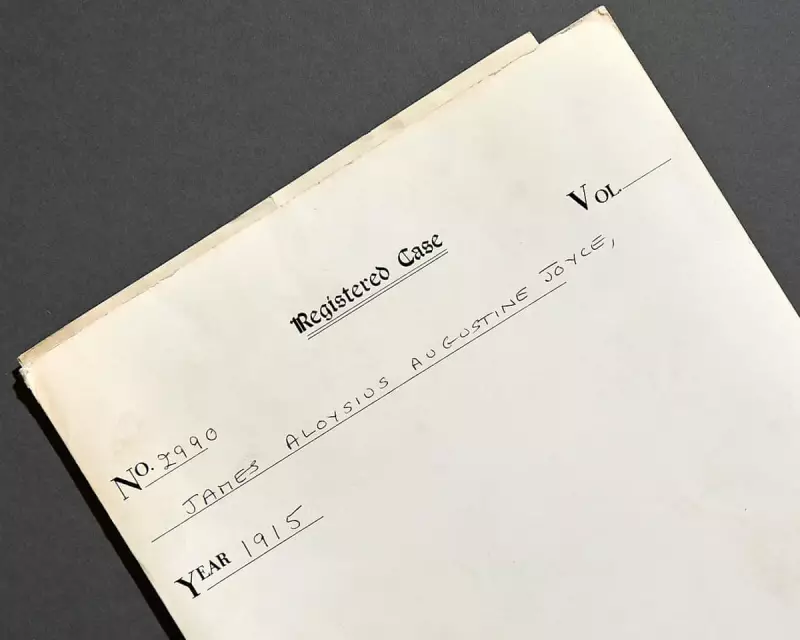
James Joyce confessed in his 1915 application that he received "nothing in the way of royalties" and that sales of his books remained "below the required number." This came as he worked on what would become his masterpiece, Ulysses, while living in poverty after fleeing Trieste.

Equally revealing is Dylan Thomas's 1951 grocery bill from J Eric Jones in Camarthen, which listed tobacco, swiss roll, Irish whiskey, Guinness and monkey nuts - painting a vivid picture of the poet's daily existence while he struggled to support his family through writing.
Moments of Crisis and Creativity
The documents capture writers at critical junctures in their lives and careers. Edith Nesbit, author of The Railway Children, wrote in an August 1914 letter that the shock of her husband's death "overcame me completely and now my brain will not do the poetry romance and fairy tales by which I have earned most of my livelihood."
Doris Lessing, who would later become the only British woman to win the Nobel prize in literature, described in a 1955 letter her precarious situation after moving to Britain from Southern Rhodesia (now Zimbabwe) with just £20 following the end of her marriage. "I have been living on my pen ever since, though very precariously," she wrote, detailing debts owed to friends and lack of support from family.
Lessing revealed the tension between artistic integrity and financial necessity, noting that while she could earn money writing scripts for commercial television, "my short and unfruitful experience with this sort of work has made it clear that while I might earn a lot of money, I won't be doing any serious work."
Supporting Literary Greats Through Hardship
The Royal Literary Fund provided crucial support to numerous now-famous authors during their most difficult periods. Ezra Pound wrote in support of Joyce's application, noting that "He has lived for 10 years in obscurity and poverty, that he might perfect his writing and be uninfluenced by commercial demands."
Edward Kemp, who now runs the charity, observed that "If we ever get into cataloguing the books that might not exist without the RLF, I think we start with Ulysses and work down from there."
The archives reveal a network of literary support, with CS Lewis backing Mervyn Peake's application and Henry James supporting Joseph Conrad. Peake's story is particularly poignant - his wife Maeve Gilmore applied for a second grant in 1961, explaining that "He has been ill since 1956... He has managed to do a little drawing, but work of a literary nature is no longer possible."
The challenges facing writers today remain severe, with professional authors in the UK earning a median income of just £7,000 according to the Authors' Licensing and Collecting Society. The RLF has seen a 400% increase in applications for hardship grants between 2023 and 2024, indicating that financial precarity remains a persistent feature of the literary landscape.
As Kemp notes, "You look back, and people who you'd have thought are surviving as writers really aren't." The organisation's former tagline seems more relevant than ever: "Sometimes bad things happen to good writers."