The Shocking Murder That Divided America
On 5 December 2024, the streets of Midtown Manhattan witnessed a brutal assassination that would spark intense public debate across the United States. Brian Thompson, a prominent insurance CEO, was shot in the back in broad daylight by an assailant who reportedly walked away calmly from the scene. The cold-blooded nature of the killing shocked the nation, but the public reaction revealed deep divisions in American society.
While many condemned the violence, social media platforms exploded with a different sentiment. For countless Americans who had experienced denied health insurance claims or faced crippling medical costs, the news triggered cathartic responses. One viral post captured the mood: "All jokes aside ... no one here is the judge of who deserves to live or die. That's the job of the AI algorithm the insurance company designed to maximize profits on your health."
The Arrest and Investigation
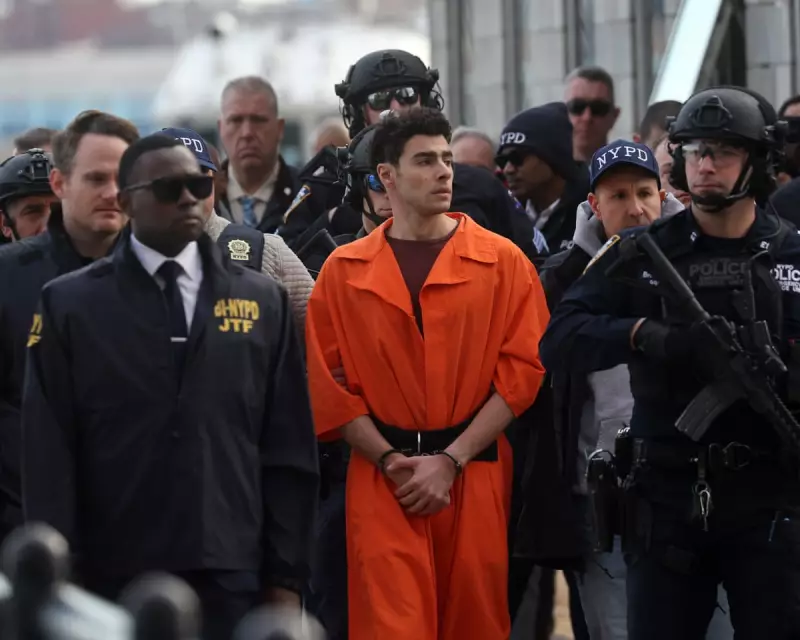
Five days after the murder, authorities apprehended Luigi Mangione, a 26-year-old University of Pennsylvania graduate with a master's degree in computer science, at a McDonald's in Altoona, Pennsylvania. The suspect now faces both federal and state murder charges, with prosecutors seeking the death penalty.

Mangione's background presents a complex picture. Described as good-looking and highly educated, his case has attracted significant media attention. Journalist John H Richardson attempts to unravel the mystery behind the alleged crime in his new book, Luigi: The Making and the Meaning, published by Simon & Schuster.
Examining the Motives and Methods
Richardson, an experienced Esquire journalist, spent years researching online communities and individuals with "realistic fears about an apocalyptic future." His investigation into Mangione's life reveals an extensive reading list found on the suspect's Goodreads account, featuring 295 books covering climate change, masculinity, and personal development.
The book's title references three words etched on bullets recovered from the crime scene: "delay," "deny," and "depose" - terms commonly associated with health insurance claim rejection practices. Richardson explores whether Mangione's alleged chronic back condition might have provided motive, though he finds no concrete evidence linking this to the attack.
Instead, the author suggests Mangione was driven by broader existential anxieties about a world "sliding faster and faster to the edge" where AI threatens to either control or destroy humanity.
Controversial Portrayal and Critical Omissions
Richardson's approach has drawn criticism for what some see as romanticising his subject. The author describes Mangione's "elusiveness" as giving him "a little of that old trickster magic" and ultimately frames him in archetypal terms that veer dangerously close to justifying violence.
Notable absences from the book include interviews with key figures. Mangione's family declined to speak with media before the trial, and Richardson never expected access to the suspect himself. More concerningly, the victim, Brian Thompson, receives minimal attention, though the book notes that under his leadership from 2021 to 2023, UHC profits increased by 33%.
The Robin Hood Comparison
In the book's concluding section, Richardson employs fairy tale imagery, describing "the mad king, the monster in the maze and the emperor without clothes." He suggests that "Robin Hoods come with a beautiful promise ... They arrive in times of social turmoil, when the people are suffering and nothing makes sense anymore."
This metaphorical framing has raised concerns about potentially endorsing assassination as a form of social justice. Legal experts note that such romanticised narratives will have no place in the courtroom as Mangione's defence team works to have death penalty charges dismissed.
As the case moves toward trial, one thing remains clear: the handsome young man with features compared to a Caravaggio painting faces very real murder charges, regardless of how authors might mythologise his story.