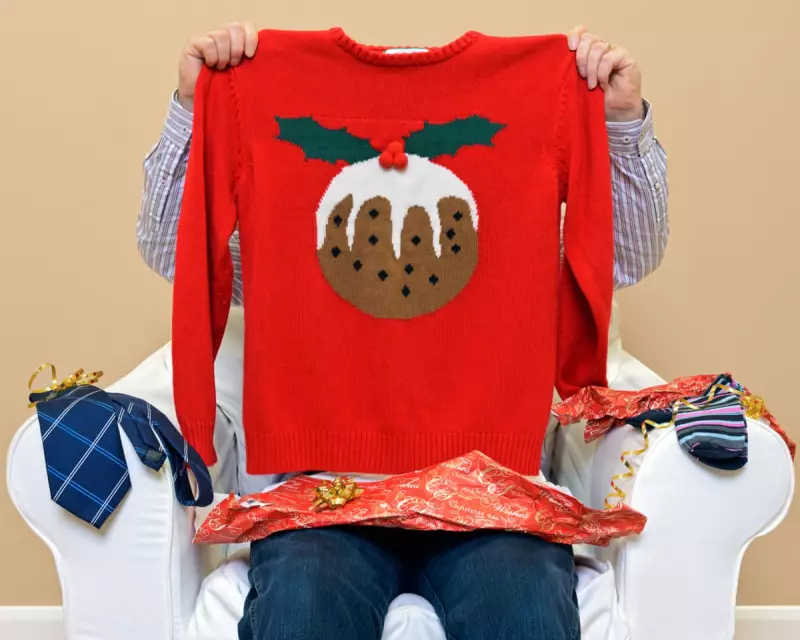
We've all been there. That moment of forced cheer as you unwrap a present that fills you with dread, not delight. The social script demands a grateful smile and a heartfelt 'thank you', but then comes the real dilemma: what on earth do you do with it afterwards?
The Perils of the Polite Lie
From childhood, we are schooled in the art of the grateful white lie. Author Eleanor Limprecht recalls thanking her grandmother for a frilly, itchy dress, identical to one given to her sister. "After lying through your teeth comes the dilemma of what to do with the unwanted," she writes. The question hangs in the air: do you regift it, donate it, or let it gather dust in a cupboard? And what happens if the giver finds out?
Limprecht learned this lesson the hard way. A generous friend gifted her a painting by an artist she knew. While it was beautiful, it wasn't to Limprecht's taste. She hung it in a guest room, but upon moving house, she decided to donate it to an op shop several suburbs away, believing herself safe.

Weeks later, she received a fateful call. "You took the painting I gave you to Vinnies!" her friend exclaimed. It turned out the artist lived near that very charity shop and often browsed for canvases. He discovered his own work, bought it back, and reported the find. "I felt like digging a hole in the earth and disappearing into it," Limprecht admits.
When Your Regifting Backfires Spectacularly
In seeking solace, Limprecht discovered she was far from alone in her gift-related shame. One friend learned a harsh lesson about privacy settings on Facebook Marketplace. When she listed an unwanted present for sale, the giver saw the advertisement and sent a mortified message. She has since changed her settings to hide listings from friends and family.
Another story involved a man who made a habit of educating his younger girlfriends with thoughtful book gifts. He was later horrified to find all the Jeannette Winterson novels he'd inscribed with loving messages for an ex-girlfriend in a charity shop. Ironically, those very novels had helped her realise she was more interested in women than men.
Even professionals aren't immune. An artist mother gave a painting to a specialist as a thank you, only to be contacted years later by a stranger who had bought it from an op shop in a different part of the state. "My mother refused to believe it," her writer daughter said. "She never accepted that it went to an op shop."
A New Perspective: Finding Joy in New Homes
While discovering your gifted artwork on a kerbside collection or in a charity shop can be confronting, some creators choose a different perspective. One artist had a friend spot her painting in a stranger's living room. When asked, the new owner said she'd found it on the street. "I wasn't deeply offended," the artist said. "I was more delighted that someone picked it up."
As a novelist and frequent op-shopper, Limprecht has found signed copies of her own books on charity shelves, even one dedicated to someone she knew. She wasn't horrified, reasoning that she too has given away inscribed books due to limited shelf space. Perhaps, she suggests, creators should be pleased their works are finding new audiences instead of languishing in attics or, worse, bins.
So, what is the best policy? The artist involved in the painting incident recommends honesty. "Tell the giver it's not your style. Say, 'I would not appreciate it as much as I should,'" she advises. "Art is personal and we only have so much wall space, you've really got to love what you put up."
But if courage fails and you're still left with an unwanted puce jumper or inscribed book, remember the tale of the international author who, overloaded with dedicated copies, turned to a companion before a flight and said, "I'm going to need you to eat these." Sometimes, there truly is no perfect solution.