The Search for Fiction's Ultimate Evil
Guardian readers have embarked on a fascinating quest to identify the most evil villains ever created in fiction, excluding monsters and real historical figures. The discussion revealed a diverse range of terrifying characters from literature, film, television and theatre that continue to haunt our collective imagination.
Shakespearean Evil and Political Manipulators
Among the most frequently cited villains was Iago from Shakespeare's Othello, described by reader Nigel Hoyle as operating with "motiveless malignity." This Shakespearean antagonist represents a true sociopath who delights in the emotional torment of others, making him a brilliant study of pure cynicism and nihilism.
Political manipulation featured strongly in the responses, with Francis Urquhart from Michael Dobbs's House of Cards trilogy receiving particular attention. Readers noted his surface charm masking a bloodstream "hovering around absolute zero," with one contributor famously quoting his catchphrase: "You might very well think that, I couldn't possibly comment."

Modern Monsters and Childhood Terrors
The discussion spanned generations of fiction, from classic literature to contemporary screen villains. Judge Holden from Cormac McCarthy's Blood Meridian was highlighted as particularly horrific, with reader Asa Williams describing him as "enormous, mystic, all-knowing and all-encompassing" - a character who wears violence like skin.
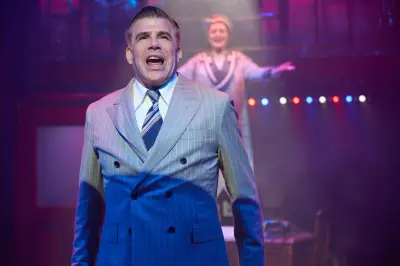
Childhood terrors received multiple mentions, including The Child Catcher from Chitty Chitty Bang Bang and Nogbad the Bad from Noggin the Nog. The Twilight Zone episode "It's a Good Life" featuring a six-year-old with godlike powers was cited as particularly frightening for its portrayal of innocence corrupted by absolute power.
Science fiction villains proved particularly popular, with Emperor Palpatine from Star Wars praised for his elaborate scheme to overthrow democracy by orchestrating a war while controlling both sides. As reader DarthSaddius noted, his achievements include "excellent evil laugh, blowing up several inhabited planets, and a natty evil villain hoodie outfit."
Complex Villains and Cultural Variations
Some readers highlighted villains whose complexity makes them particularly disturbing. Victor Frankenstein was proposed by Jay W as the "worst man in the world" for his narcissistic creation without responsibility, while Livia Soprano from The Sopranos was noted for completely distorting maternal expectations.
The discussion also included international perspectives, with Gabbar Singh from the Bollywood classic Sholay receiving praise for his handmade, intimate terror. Reader nijmakesbeats described him as "evil without apology, motive or mercy" whose theatrical menace makes viewers occasionally root for the villain despite themselves.
From the chilling amorality of Harry Lime in The Third Man to the brutal psychopathy of Captain Vidal in Pan's Labyrinth, the responses demonstrated that the most effective villains often reflect very human capacities for cruelty, manipulation and moral emptiness.