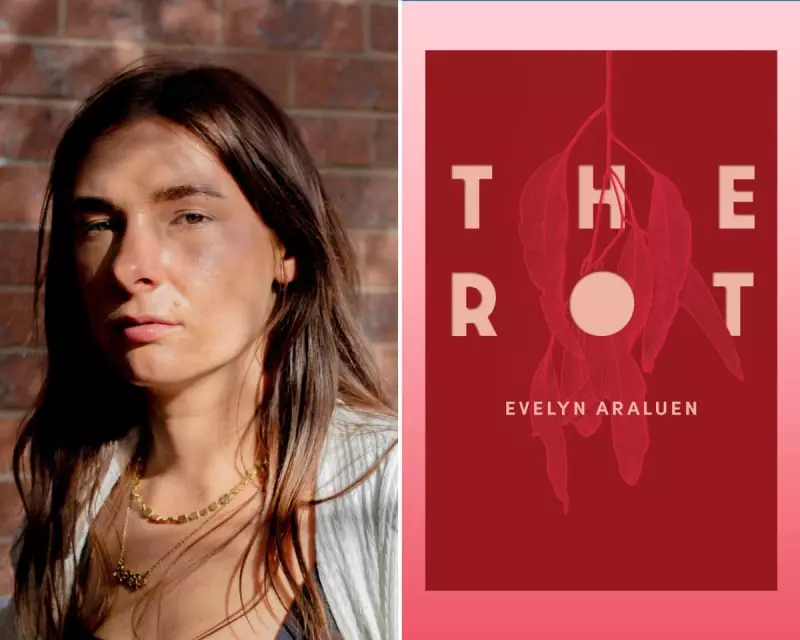
Evelyn Araluen, the Stella Prize-winning poet, has returned with a formidable new collection that plunges readers into the heart of contemporary anxieties shaped by two centuries of colonisation. The Rot, published by University of Queensland Press, builds upon the explosive success of her debut Dropbear with even greater poetic intensity.
From Award-Winning Debut to Powerful Successor
Araluen's first collection, Dropbear, made an extraordinary impact upon its 2021 release. The work was shortlisted for three Premier's literary prizes and made history as the first poetry collection to win the Stella Prize. It also secured the Australian Book Industry Association award for small publishers' adult book of the year.
That collection demonstrated Araluen's unique ability to confront Australian literary icons including Banjo Paterson and characters like Blinky Bill, reinstating Indigenous presence into narratives from which it had been erased. Her piercing lyricism asked confronting questions about witness and accountability at what feels like the end of worlds.

The Rot: An Experiential Descent into Contemporary Reality
The Rot extends this interrogation with even greater force. Described as 'an experiential plunge into the nightmare of the present moment', the collection examines how colonisation continues to shape contemporary Australian consciousness across its three sections: Holdings, Fragments on Rotting, and Unfoldings.
Araluen's language drives with ferocious intensity, balancing anger, sorrow, and astonishing beauty. Readers find themselves compelled from one poem to the next by the work's deadly analyses and complex tensions, returning repeatedly to reckon with its challenging truths.
Structure and Thematic Concerns
The collection maps an intellectual and emotional journey toward possibilities of resistance and justice within what feels like total catastrophe. Throughout the work, the livestreamed horrors of Gaza serve as a persistent faultline connecting personal, virtual, and literary experiences.
Araluen explores symptoms of contemporary dis-ease including insomnia, exhaustion, and debt, noting how 'whatever time is left was ransomed from drowning islands in the Pacific'. Her sardonic eye turns to the false emancipation of the girlboss in Girl Work! and the empty compensations of consumer culture in Blood Wash.
The central section, Fragments on Rotting, delves deepest into its namesake condition, quoting Chaucer's The Reeve's Tale: 'till we be roten / kan we not be ripen'. Here Araluen examines the formation of feminine identity within violent historical and cultural contexts, exploring what she terms 'the girlshaped thing' that exists in the constant project of becoming and unbecoming woman.
Memory, Future, and Resolve
Several poems titled 256GB of Salvaged Memory attempt to catalogue the overwhelming information that constitutes modern subjectivity. From literary references to the Brontës and Plath to practical survival information like 'the codename index for a spreadsheet charting the doctors and case workers least likely to send in the cops', these works create a mental genealogy of contemporary experience.
This accounting stands in contrast to the concept of the 'Long Future', a term coined by Unangax̂ scholar Professor Eve Tuck that provides a hand to hold through fragile visions. The future Araluen imagines for those who survive colonisation remains contingent and elusive, with practical survival advice as simple as 'get a few weeks of decent sleep'.
The final section, Unfoldings, combines celebration, mourning, and resolve. In Instructions on Getting a Gun, she challenges: 'How you gonna kill the cop in / your head if you won't sleep long / enough to see the whites of her eyes?' while Glory be the Girlypop summons the anarchy and vitality of those reckoning with inherited grief.

The collection concludes with a powerful vow of love in the poem I Will Love, which consciously wills love into existence against everything that threatens its possibility: 'Grow seed in the ash / from this rot grow love ... until love kills you you will love.'
Despite the darkness of its themes and our times, The Rot maintains hope, dedicated to 'my girls, and the world you will make'. At its core, beneath the bitter truths and fierce examinations, beats what the reviewer describes as a sublime tenderness.
This is a work that resists easy summary or paraphrase – perhaps the truest definition of poetry. The Rot demands to be experienced firsthand, offering readers not just poems to read but transformative encounters that speak to multiple selves.