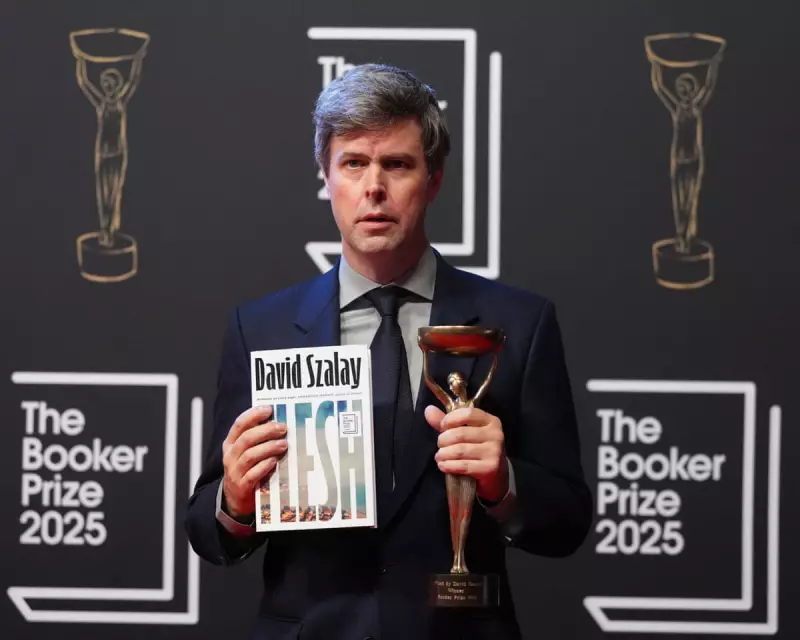
The literary world is grappling with profound questions about modern masculinity following David Szalay's Booker Prize victory for his novel Flesh, a work that has ignited intense discussion about the portrayal of male characters in contemporary fiction.
A Protagonist Designed to Provoke
British-Hungarian author David Szalay anticipated his main character would draw significant disapproval, acknowledging the risky nature of creating a protagonist who exhibits clearly toxic male behaviour. The novel follows István, a working-class man from eastern Europe, whose sparse dialogue features the word OK approximately 500 times throughout the narrative.
Szalay remarked after his win that There's no longer that sense that boys will be boys, indicating his awareness of shifting cultural attitudes toward male behaviour. István's journey takes him from a young offender facility following an act of violence to army service, then to working security at a strip club before becoming a driver and security guard.

Colliding With Cultural Conversations
Booker judge and novelist Chris Power noted that while these career paths aren't exclusively male, they are predominantly male or traditionally male. The timing of Flesh's success appears particularly significant, arriving during a year when questions about literary masculinity and its apparent scarcity have featured prominently in cultural discussions.
The victory offers a firm response to concerns raised earlier this year about whether male novelists and male themes were becoming terminally unfashionable. In April, new imprint Conduit Books was founded specifically to publish literary fiction and memoirs by men amid what founder Jude Cook described as a perception that the male voice is problematic.
Broader Cultural Context
Much of the coverage following Szalay's win has positioned Flesh within the wider context of the perceived crisis of masculinity, characterised by the influence of figures like Andrew Tate and narratives explored in Netflix's incel drama Adolescence.
Chris Power observed that The idea of a crisis of masculinity in the wider culture with say, suicide rates or younger kids turning to the Andrew Tates of the world, it's almost colliding with literature. Meanwhile, critic Leo Robson suggested that current healthy debates about masculinity and male behaviour might make it easier to champion authors like Szalay who approach male characters with a sceptical, inquiring spirit.
Examining other Booker-shortlisted works by male authors reveals loose thematic connections, with Power identifying infidelity and men being led by lust as recurring concerns. However, he sees István's primary struggle as one of status anxiety and financial precarity – universal concerns keenly felt by many younger people today.