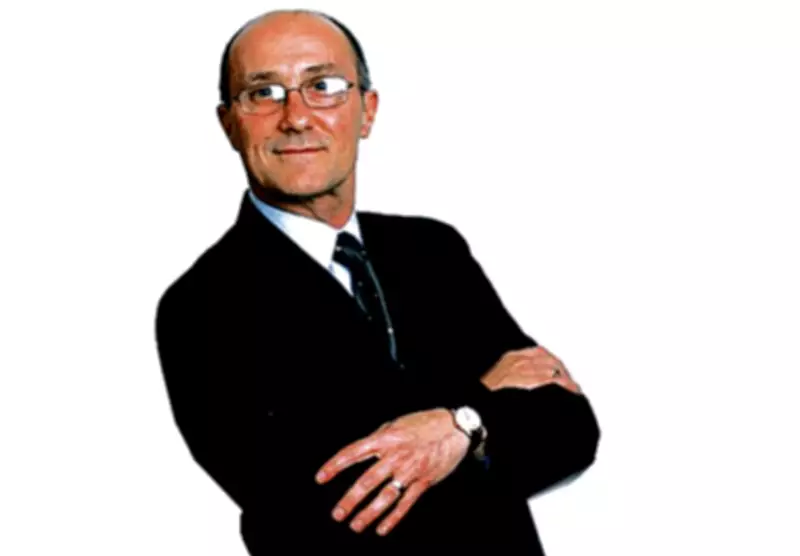
An elderly tailor at Highbury Corner was easy prey for robbers, who threatened to burn his shop down if he called the police. Fearing ruin, he poured out his woes to one of his customers, Islington arch villain Bobby Cummines, who, for a price, sorted the problem. Bobby, who died in March aged 74, describes the transaction in his book I Am Not a Gangster. It vividly recounts his notorious, violent tenure as a 1970s gangland chief – and how he eventually shunned crime, advocated for prison reform and championed ex-offenders, helping them rebuild their lives.
Bobby – who served jail sentences for offences including manslaughter and armed robbery – earned an OBE for his work with reformed offenders. The key to his transformation was education, which he tapped into in jail on the advice of a fellow inmate, infamous gang supremo Charlie Richardson. Years later, Bobby warned schoolchildren of the harsh realities of crime and prison.
A Violent London Crimescape
His unflinchingly frank memoir, published in 2014, portrays a violent 1970s London crimescape where inter-gang warfare was commonplace, and he led a “firm” with territory from Highbury Corner to the Archway, to Finsbury Park and Caledonian Road. Five feet six inches tall, and wiry, he ruled his “manor” with ruthless efficiency, enforced lucrative protection rackets and stalked the streets with a sawn-off, double-barrelled shotgun called Kennedy, which “took no prisoners”. But he always hated being referred to as a gangster. “I was a businessman, involved in the business of crime.”

Even as a teenager he wore a three-piece suit and made sure the other members of his team did the same. His suits came from the elderly Highbury Corner tailor, whose customers often failed to pay in full. One gang used to take money from his till, snatched jackets from the rack and scarpered. Bobby said if the tailor gave him two suits a month he’d stop robbers coming into the shop, and collect money from debtors. “I did knock shit out of some blokes who’d taken him for a ride, and word got round.” The tailor had no further trouble. He placed pictures of Bobby in his best suits in his window, advertising “the best-dressed man in Islington”.
Early Life and Descent into Crime
Born to a law-abiding King’s Cross family, as a boy Bobby dabbled in petty crime. While at Holloway School, Camden, he was “bashed up” by the school bully and retaliated by beating him up with a rounders bat. They became friends. As Islington schoolboys’ boxing champion Bobby was “brutal” in the ring. He left school without qualifications and was proud of having his first job as a shipping clerk. But he recounts that after police planted a cut-throat razor, claiming it was his, he got a criminal record, was sacked and couldn’t get another job. His reaction? “If they want me to be bad, I’ll show them how bad I can be.”
It didn’t take long. Aged 16, he bodged an armed robbery. At the Old Bailey, where he was sentenced to six months in a detention centre, he met the Kray twins, who were on trial for murder. Bobby was treated brutally at the detention centre, emerging as a “superthug” who set about building a professional crime empire, meticulously planning armed robberies. One robbery went badly wrong. A gagged victim choked and died. Bobby reflected: “That unnecessary death has haunted me.” He was found guilty of manslaughter, served time in a “violent” young offenders institution, then prison, and after release continued his armed robbery career.
Gang Warfare and Imprisonment
The book chillingly chronicles blood-soaked gang feuding. In a battle on Highbury Fields between Bobby’s firm and rivals, around 20 yelling men “hacked away at each other in medieval style”. Bobby was shot in the leg in a drive-by shooting in Holloway, and stabbed in a pub. He slept with a gun under his pillow. Eventually an accomplice “grassed” and at Highbury Corner Magistrates’ Court Bobby faced charges of armed robbery, possession of illegal firearms, endangering life, and conspiracy. Sent for trial at the Old Bailey, he was sentenced to 12 years, doing time at prisons including Parkhurst, where he mediated between rival crime bosses Reggie Kray and Charlie Richardson.

It was Charlie who urged Bobby to “go down the road of education,” telling him that if he returned to armed robbery he’d end up jailed for life or shot dead. In Maidstone prison Bobby studied with the Open University, going on to get his degree after release.
From Crime to Rehabilitation
After struggling to find employment, Bobby held various jobs before becoming a founding member and chief executive of Unlock, a charity for ex-cons. He helped former offenders into employment and to get bank accounts, campaigned for prison education, advised government ministers and judges on prison and rehabilitation. When Coutts Bank donated £10,000 to Unlock, one of its directors said he was pleased to see Bobby in his bank “without a crash helmet and a gun”. Later Bobby set up Midas, a charity helping young people from disadvantaged backgrounds.
His book shows the worst of crime and the best of a struggle to overcome it. He saw it as “a book of hope, and perhaps a guiding light for people who have taken the wrong path in life,” adding: “In the hands of the brave, anything is possible.”