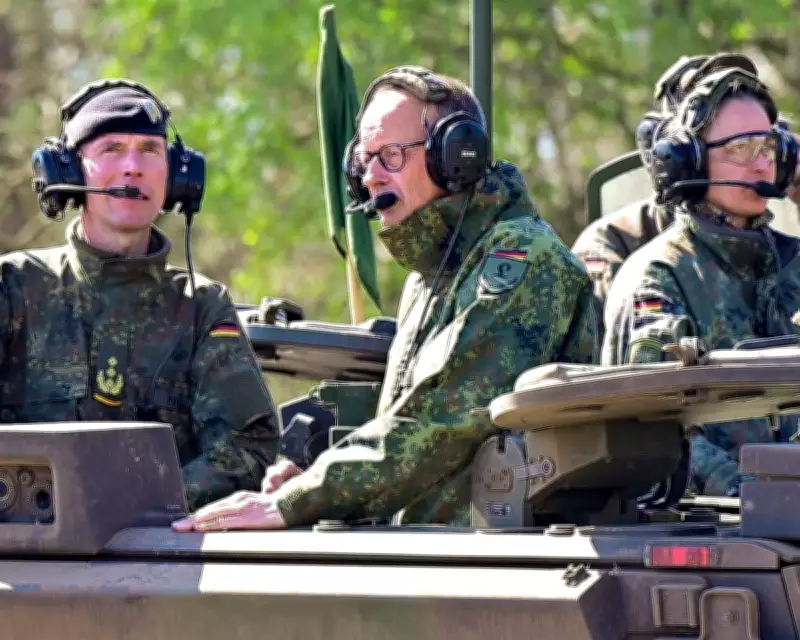
As the 81st anniversary of the end of World War II in Europe approaches, Germany is set to become the leading European military power. By next year, its defence spending will match that of France and Britain combined, with projections showing significant growth by 2030. The German government aims to have the strongest conventional army in Europe, raising questions about how this shift can benefit the continent.
Reasons for Germany's Military Expansion
Two main factors drive Germany's radical departure from its post-1990s stance. First, ongoing Russian aggression, with a consensus in Berlin that Vladimir Putin will not stop at Ukraine. Second, US President Donald Trump has cast doubt on America's commitment to NATO, exemplified by the withdrawal of 5,000 US troops from Germany. This leaves Europe to deter a nuclear-armed Russia alone, while managing internal tensions over military power distribution.
The Challenge of European Integration
Germany's new military strategy, titled "Responsibility for Europe," must be reflected in deeds, not just words. Key areas include defence industry integration and war-fighting capabilities. Currently, Europe has 174 main weapon systems compared to the US's 33, highlighting inefficiency. Joint projects like the Future Combat Air System are faltering, and nations like France and Poland express concerns over German dominance.

Domestic pressures push Germany to spend at home, with car factories converting to weapons production and parliamentary oversight encouraging pork-barrel politics. The rise of the nationalist Alternative für Deutschland (AfD) adds uncertainty about future policy direction.
A Path Forward
To ensure positive outcomes, German Chancellor Friedrich Merz should convene a working dinner with leaders from France, the UK, and Poland. They must address how to Europeanise the defence industry and enhance collective war-fighting capability, including extending nuclear deterrence eastward. Success would mirror Helmut Kohl's embedding of a united Germany in the EU single market, but for security. The ultimate test is whether integrated European defence can deter Putin and avoid past rivalries.