Literature enthusiasts seeking fresh international perspectives have four remarkable translated works to explore this season, ranging from poignant Norwegian reflections to daring Iranian speculative fiction.
The Ferryman's Poignant Final Journey
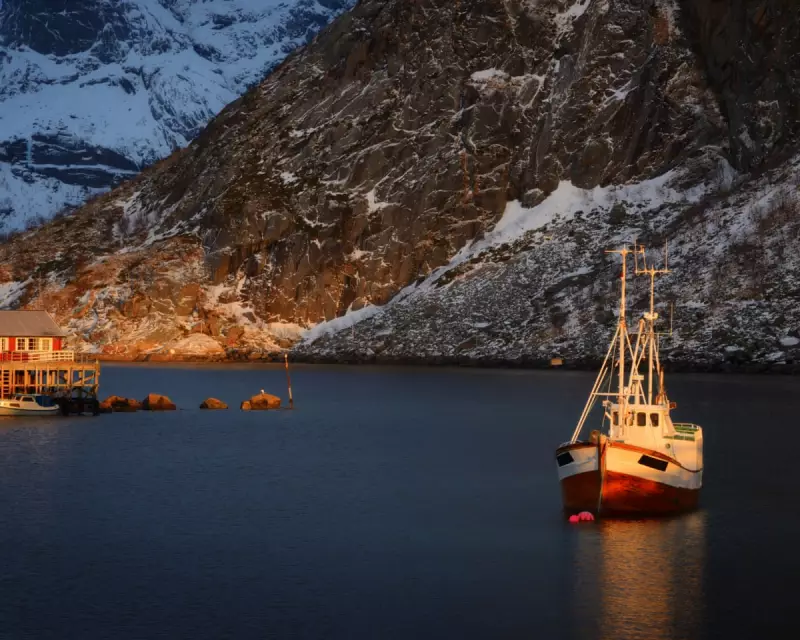
Norwegian author Frode Grytten delivers a moving narrative in The Ferryman and His Wife, translated by Alison McCullough and published by Serpent's Tail for £12.99. The story follows ferryman Nils Vik on what he intuitively knows will be his final day, taking one last solitary boat trip after a lifetime of transporting others.
Throughout his journey, Vik remembers the diverse passengers who have crossed his path, including Hollywood actor Edward G Robinson and Miss Norway 1966, who was declared the nation's most beautiful woman and won a Fiat 850. Particularly haunting is his memory of young gay man Jon, who faced paternal bullying before drowning in a car accident while channeling The Smiths' lyrics about a heavenly way to die.

The novel masterfully blends light and dark tones, with Vik's deepest longing reserved for his late wife Marta. He masks his inner turmoil, reflecting that after storms, only calm blue surfaces remain as evidence. The reader shares in his bittersweet memories, including a touching theatre outing with his daughter where his simple appreciation spoke volumes.
Wartime Forbidden Romance
Brigitte Reimann's Woman in the Pillory, translated by Lucy Jones and available from Penguin Classics for £10.99, explores dangerous attraction during the Second World War. When Russian prisoner of war Alexei is assigned to help on a German farm while farmer Heinrich serves the Third Reich, tensions immediately surface.
Heinrich's sister Frieda treats Alexei with contempt, considering Russians half-human, but Heinrich's young wife Kathrin finds herself unexpectedly drawn to him. Their connection becomes undeniable when she witnesses him showering outdoors, experiencing an electric jolt as their eyes meet. The narrative expertly portrays both the claustrophobic intensity of their relationship and the broader social pressures of xenophobia and sexism.
The story reveals stark double standards in punishment, where women having affairs face public shaming unless involved with SS officers. Reimann delivers multiple surprising twists leading to a perfectly satisfying conclusion.
Imagining Iran's Future
Iran+100, edited by Fereshteh Ahmadi, Peter Adrian Behravesh and Leila Elder, presents ten Iranian authors envisioning their homeland in 2053 - a century after the US- and UK-backed coup overthrew the democratically elected government. Published by Comma Press for £10.99, this collection showcases remarkable creativity and bold speculation.
One story depicts Iran forced to dispose of sanctioned oil, with a man using the public ceremony to fake his own death. Another imagines a gender revolution where men face subjugation by women, with drones enforcing new strictures and former clerics receiving therapeutic treatment in prisons they once filled.
Particularly striking is a mesmerizing satire where a man attempting suicide by jumping from a window remains suspended mid-air, prevented from falling as punishment for Western involvement in the 1953 coup. Another ambitious story features temporal voids revealing terrifying futures that threaten the government. The collection stands as imaginative, audacious and thoroughly exciting.
Dutch Climate Crisis Fiction
Eva Meijer's Sea Now, translated by Anne Thompson Melo and published by Peirene Press for £12.99, presents a compelling climate fiction scenario where Gulf Stream collapse causes the sea to reclaim the Netherlands at one kilometre per day.
The novel cleverly shifts between diverse perspectives, from opportunistic businesses offering life jacket deals to evacuating citizens and conspiracy theorists called remainers who believe the flooding represents a left-wing conspiracy. Meijer portrays a prime minister hoping other nations will welcome Dutch refugees, Sea Now! pressure group activists urging people to follow the sea's lead, and a newsreader reduced to YouTube broadcasting.

The narrative's lively tone makes its later shift particularly powerful, when young people return by boat to explore their submerged homeland, discovering mesmerizing silence and serenity where their country once stood.
These four works demonstrate the rich diversity and quality of contemporary translated fiction, offering British readers unique windows into different cultures, perspectives and imaginative possibilities.