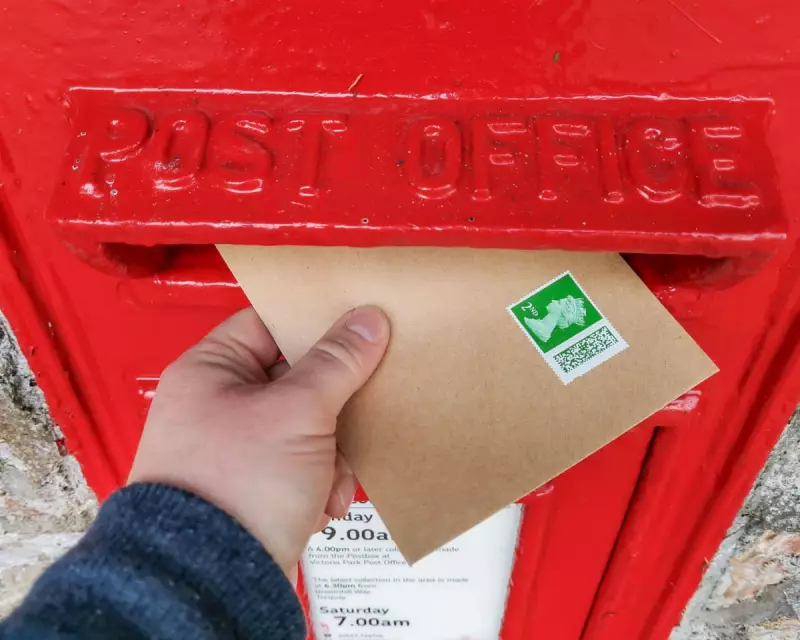
In a deeply moving exploration of human connection and mortality, a new initiative has asked Britons a simple yet profound question: What would you write in a very last letter, and why? The responses, gathered from a diverse cross-section of society, reveal a tapestry of love, regret, forgiveness, and hope, offering a unique window into the nation's collective heart.
A Catalogue of Love, Apology, and Instruction
The project, which invited anonymous submissions, found that the content of these imagined final dispatches fell into several powerful, recurring categories. Foremost among them was an overwhelming expression of love and gratitude. Many participants focused on assuring their loved ones of their enduring affection, seeking to leave no doubt about their feelings. "I'd want them to know, in my own words, how much they meant to me," wrote one contributor, a sentiment echoed by countless others.
Closely linked were letters of apology and the seeking of forgiveness. People confessed to harbouring regrets over past arguments, misunderstandings, or hurts they had caused. The final letter was seen as a last chance to clear the air and unburden the soul. Alongside these emotional missives were more practical communications. Many respondents included specific instructions, wishes, or even passwords to digital accounts, blending the deeply personal with the unavoidably practical aspects of death.
The 'Why' Behind the Words: Comfort, Closure, and Continuity
When asked to explain their motivations for composing such a letter, participants gave equally revealing answers. A dominant theme was the desire to provide comfort and lessen the grief of those left behind. The letter was envisioned as a lasting touchstone, a piece of the writer that could be revisited in moments of sadness. "I want to leave something behind that says 'I'm okay, and you will be too'," one person noted.
The act of writing was also described as a form of personal closure—a way to summarise a life, express unresolved thoughts, and achieve a sense of peace. For some, it was about asserting control and identity in the face of life's ultimate uncertainty. Furthermore, there was a strong thread related to legacy and continuity. Parents, in particular, spoke of wanting to pass on wisdom, values, and blessings to their children and future generations, ensuring their voice would echo into a future they would not see.
Beyond Paper: The Modern Context of Final Messages
The project also sparked reflection on how the concept of the "last letter" is evolving in the digital age. While the romantic notion of a handwritten note remains powerful, discussions touched upon digital wills, social media legacy contacts, and pre-recorded video messages. This modern context adds new layers to the ancient human impulse to say a proper goodbye. The exercise, while hypothetical for most, highlighted a universal need to be remembered authentically and to offer a final gift of clarity and love to one's community.
Ultimately, the collective responses paint a picture of a nation contemplating what matters most at the final hour. Far from being morbid, the project underscores a fundamental human yearning for connection, reconciliation, and the enduring power of words. It suggests that considering what we would write in a last letter might, in fact, be a valuable exercise for living a more intentional and expressive life today.