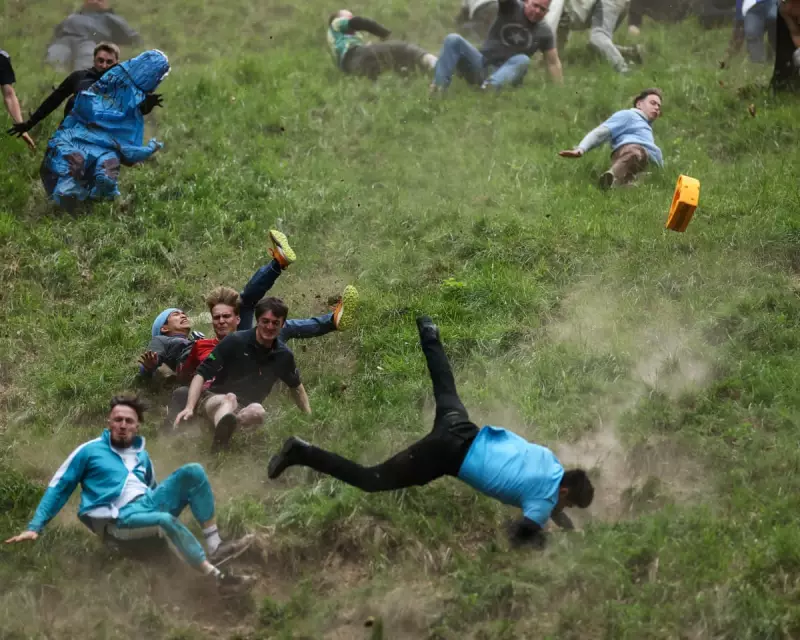
The British government has launched a nationwide call to identify and celebrate the unique customs, crafts, and events that define communities across the country, with the aim of securing prestigious United Nations recognition.
Eighteen months after the UK ratified the UNESCO Convention for the Safeguarding of the Intangible Cultural Heritage, ministers are now asking the public to suggest which traditions should be submitted for inclusion on the global list. The UK currently has no entries on the register.
From Cooper's Hill to Carnival: A Call for Submissions
Fiona Twycross, a Labour minister in the Department for Culture, Media and Sport (DCMS), officially opened the consultation on Friday. She urged people from England, Scotland, Wales, and Northern Ireland to put forward their cherished practices before the deadline at the end of February next year.
"From Highland dancing to cheese rolling and the carving of Welsh love spoons, these traditions form the rich tapestry of UK culture and identity," Twycross stated. She emphasised that such heritage boosts local pride and economies, encouraging communities to share what they value.
The DCMS provided a range of possible examples, from widespread activities like tartan weaving, dry-stone walling, ceilidh dancing, Burns Night suppers, and the Welsh Eisteddfod, to more singular events. These include the famously perilous annual cheese-rolling contest on Cooper’s Hill in Gloucestershire. Traditions from immigrant communities, such as the Notting Hill Carnival and steel-drumming, were also highlighted as potential candidates.
The Path to UNESCO Recognition
For a nomination to proceed, it must have the direct involvement and support of the community or group that practices it. Submissions must fit into one of seven defined categories: oral expressions; performing arts; social practices; nature, land and spirituality; crafts; sports and games; and culinary practices.
The goal is to launch the first official UK inventory of intangible cultural heritage by next summer. This domestic list will then inform which traditions are put forward to UNESCO for international recognition. The global list, curated by the UN's cultural body, already features hundreds of entries from over 180 nations, ranging from North African couscous traditions to Alpine avalanche management techniques.
This move represents a significant step for the UK in formally acknowledging and safeguarding the living heritage that shapes its national and local character, years after most other nations signed the 2003 convention.