With London set to enjoy a full weekend of sunshine, those preparing for this year's London Marathon on Sunday (April 26) can expect to see some of the city's top landmarks come alive in the pleasant weather. However, if running 26.2 miles isn't your idea of a good day out, it will also be perfect conditions for a much more relaxing picnic.
There is no better time to gather your blankets and fizz and venture into the capital's magnificent green spaces for an alfresco feast. If you have already explored the big parks—Regent's Park, Hyde Park, Battersea—you might be seeking new sights. One arguably hidden treasure you may not be aware of is York Gardens in Twickenham, with some visitors even comparing its stunning fountain to an iconic landmark in Rome.
A Hidden Gem
Visitors have branded the gardens a 'hidden gem' as this stunning sanctuary remains largely invisible from the roadside (Sion Rd, Twickenham TW1 3DD). The gardens form the grounds of York House – a historic mansion that serves as the borough's Town Hall for Richmond-Upon-Thames. It is also regularly hired as a wedding location. The building holds Grade II listed status, as do the gardens surrounding it. In front of York House lies a sunken lawn, occasionally hosting open-air theatre during summer months, alongside tennis courts. A heads up though: the squirrels can become rather bold, so keep a close eye on your lunch!
The Naked Ladies
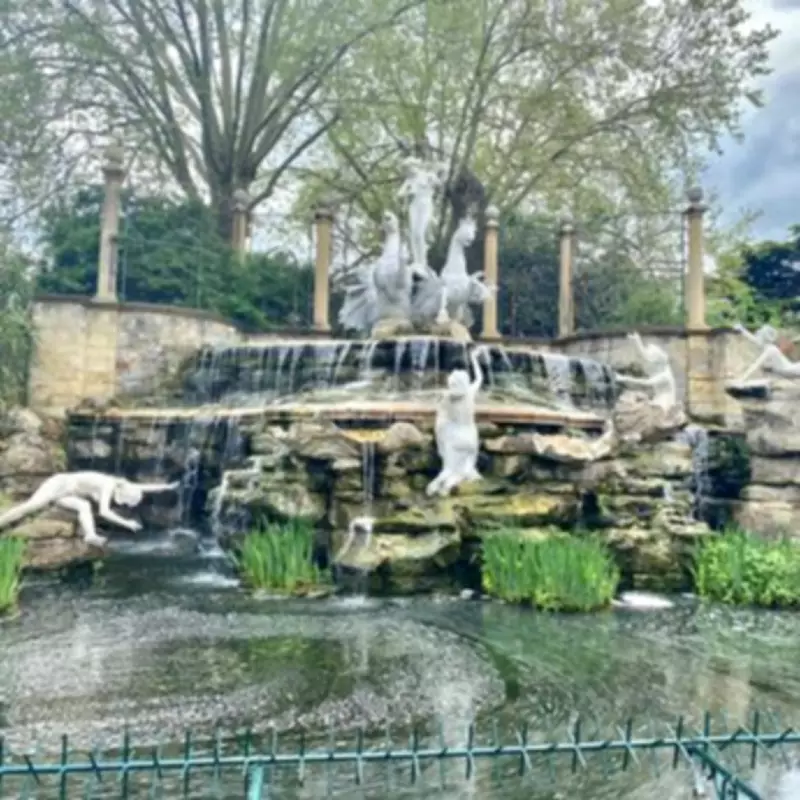
Unfortunately for any naturists reading, nudity is not permitted in any of London's parks – but you might still spot eight 'naked ladies' in York Gardens. 'The Naked Ladies' fountain has been compared to the iconic Trevi Fountain, whisking visitors straight to Rome. The Naked Ladies are a Grade II listed statue arrangement positioned on a rockery and water cascade. The sculptures portray eight 'Oceanids' alongside a pair of aquatic horses. Crafted in the fin de siècle style from white Carrara marble, they most likely arrived from Italy during the late nineteenth century or very early twentieth century.
For several years, the sculptures provided an elegant setting for some of London's most prestigious garden parties. Following the fountain's recent restoration, they now offer an idyllic backdrop for your picnic, accompanied by the tranquil soundtrack of flowing water. The sculptor's instructions for how the statues ought to be arranged have been lost over time. The sculptures were obtained during the clearance of the original owner's estate following his death. Because of the peculiar circumstances surrounding their acquisition, they had become detached from any guidance regarding their intended layout. The sculptor's original vision required interpretation, which has prompted remarks about the distinctive poses of certain sculptures, particularly when observed from the side. There are reports that The Naked Ladies have inspired a beer named in their honour in Twickenham.
A Secret Riverside Garden
A stone footbridge links the two sections of the gardens. Should you wander through the gardens, you will eventually discover a concealed vantage point offering views of the Thames. One TripAdvisor review noted: "The rest of the gardens are pleasant and well worth popping into as part of a walk along the river. They are set back from the waterfront so many people go past without noticing." Exiting the gardens and turning right along the riverside grants access to numerous exceptional Twickenham pubs. One standout destination is The Barmy Arms – a vibrant establishment featuring a Thames-side patio, positioned remarkably close to the national rugby stadium.
A Bit of History
In contrast to various other UK properties bearing the York House name, Twickenham's version was not christened after serving as a Duke of York's residence. The building's central section originates from the 1630s and takes its designation from the Yorke family, who possessed agricultural land in the locality. It was constructed for Andrew Pitcarne, a courtier to King Charles I. From 1965 onwards, York House has functioned as the municipal headquarters of the London Borough of Richmond upon Thames. The property served as the backdrop for sanatorium sequences in the 1966 Michael Caine film Alfie.