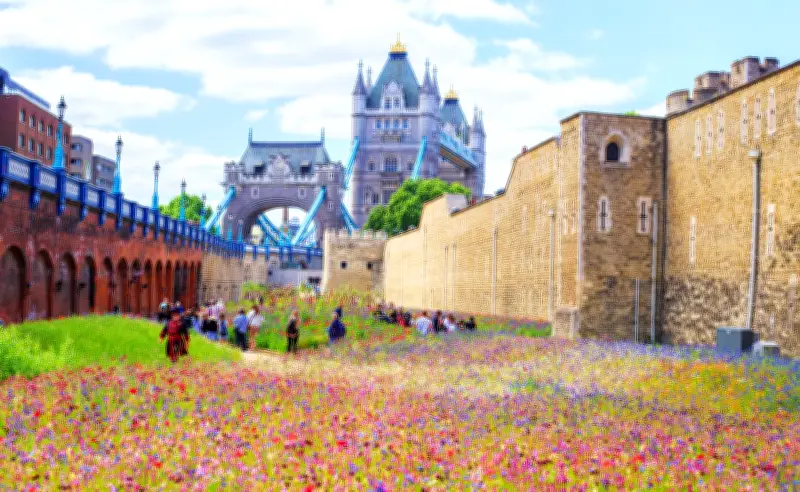
Plans to refill the Tower of London's moat with water for the first time in nearly 200 years have been approved. Tower Hamlets Council granted permission on July 17 for the project, which will transform the dry ditch into an ecologically rich landscape of ponds, wetlands, meadows and rain gardens.
Historic drainage and new vision
The moat was drained in the 1840s after the water became foul-smelling due to animal waste and excrement, prompting the Duke of Wellington to order its drainage. It has remained dry ever since. The new plans, submitted by Historic Royal Palaces, aim to reconnect visitors with the Tower's defensive history while addressing biodiversity loss and water scarcity.
Landscape features
The west side of the moat will feature 'rain gardens' fed by historic spouts from the revetment walls. The northern side will include memorial installations for WWI and WWII, such as a soldier emerging from planting and a Women's Auxiliary Air Force member holding a steel cable from a barrage balloon. A nature learning pond for school visits and activity spaces will be built in the east moat, highlighting how the moat historically supported daily life, food production and industry within the Tower. Near the entrance, an open meadow with long views along the moat and a sizeable gathering area is planned.
Water supply and sustainability
Historic Royal Palaces learned from the dry summer of 2022 that maintaining an attraction like the Superbloom installation required significant water supply. To address this, a 19th-century culvert will collect stormwater to top up the wetlands during dry periods. The moat currently contains wildflowers as part of the Superbloom installation celebrating the Queen's platinum jubilee.
Broader redevelopment
The moat transformation is part of a larger £70 million makeover of the Tower of London, which includes new community spaces, learning centres and opening the site's architectural archive to the public. According to Historic Royal Palaces, the project will create an 'ecologically rich moat landscape that reconnects visitors with the Tower's defensive history while responding to biodiversity loss, and water scarcity'.