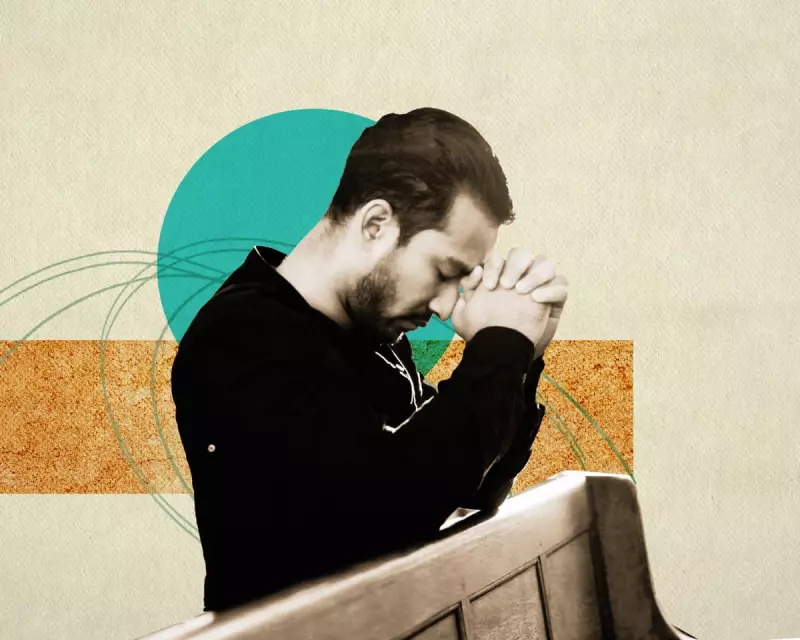
How many whispered supplications have been offered in silent communion with the divine, seeking blessings in this earthly existence and redemption in the hereafter? This profound question lies at the heart of spiritual contemplation across cultures and epochs.
The Abbey Experience: A Muslim in Anglican Space
On a recent birthday visit to Westminster Abbey, I found myself immersed in an unexpected spiritual moment. As a practising Muslim unfamiliar with Anglican liturgical traditions, I entered during Evensong rather than the standard tourist hours. The sacred architecture immediately commanded attention – soaring vaulted ceilings, centuries-old sacred art, and the palpable weight of history in a space that has witnessed every English coronation for nearly a millennium.
In that hallowed environment, a compelling thought emerged with particular intensity: what countless prayers have ascended from this place through the ages? What unfulfilled hopes and unrealised dreams might still linger in the atmosphere? How many quiet petitions have been made seeking divine favour in mortal life and eternal salvation beyond it?
The Persistent Practice of Prayer
Some who prayed here undoubtedly departed feeling their petitions were answered, while others may have experienced divine silence. Yet the faithful continue their devotions regardless of perceived outcomes. Since that Westminster Abbey visit, I have contemplated more deliberately the essential nature of prayer itself.
Prayer occupies a distinctive position in human experience. While most communication flows outward toward others, prayer turns inward toward a presence the Qur'an describes as being closer than our jugular veins. Though often quieter than a whisper, its resonance echoes profoundly within the human heart. Prayer realigns our relationship with the divine, rekindling an inner flame that reminds us of life's transient nature and its inherent sorrows.
C.S. Lewis and the Timelessness of Devotion
Seeking deeper understanding, I turned to C.S. Lewis's insightful work How to Pray: Reflections and Essays. Lewis addresses fundamental questions about prayer's purpose, efficacy, and practice with characteristic clarity. One passage particularly illuminated the subject: "Don't bother about the idea that God 'has known for millions of years exactly what you are about to pray'. That isn't what it's like. God is hearing you now, just as simply as a mother hears a child."
Lewis continues with this transformative perspective: "If you must think of His timelessness at all, don't think of Him having looked forward to this moment for millions of years: think that to Him you are always praying this prayer." This revelation suggests each individual prayer becomes timeless, connecting the momentary with the eternal.
Prayer as Universal Human Experience
This understanding prompts broader questions about prayer's universal nature. Does prayer not represent a common thread uniting diverse faith traditions across historical expanses? Has there ever existed a human being who hasn't, at least once, directed a plea toward some higher power?
Viewed through this lens, our world transforms into something remarkable. The entire Earth – with all its continents and oceans – becomes a vast arena of continuous worship. Individual prayers in countless languages merge into an unceasing chorus of divine praise. What begins as solitary devotion expands into communal and universal connection.
Bridging Sacred and Mundane
In Westminster Abbey, I pondered why the faithful persist in prayer despite uncertainty. Perhaps the answer lies in tradition itself – they continue because they always have. This practice gradually erodes the artificial barriers we construct between sacred and everyday existence. Initially subtle, this dissolution eventually gives way completely before prayer's penetrating power.
Prayer represents more than religious ritual; it constitutes a fundamental human impulse toward connection with something greater than ourselves. Whether whispered in ancient cathedrals, murmured in home sanctuaries, or silently contemplated in private moments, this practice unites humanity across divisions of faith, culture, and historical period.
The next time you witness someone in prayer – whether in a grand abbey, humble mosque, simple chapel, or quiet room – consider that you're observing a practice that transcends individual belief systems. You're witnessing humanity's enduring attempt to bridge the gap between temporal existence and eternal mystery, between individual longing and universal connection.