The story of the slave ship Zong (originally Zorg) stands as one of the most chilling episodes in the history of the transatlantic slave trade. An act of mass murder, driven by financial greed, it would later become a pivotal catalyst in the campaign to end the trafficking of human beings across the Atlantic.
The Voyage into Hell
In late 1781, the Zong, a Dutch vessel captured by the British, was en route from Accra to Jamaica. It was grotesquely overloaded, carrying 442 enslaved Africans, 17 crew members, and one passenger – the corrupt former British governor, Robert Stubbs. The conditions aboard were, as abolitionist Olaudah Equiano later described, a scene of horror almost inconceivable.
Disease ran rampant. Dysentery and scurvy swept through the human cargo held in the ship's putrid hold. Contemporary accounts, like those from surgeon Alexander Falconbridge, detail the unimaginable suffering: skin rubbed to the bone from lying on bare wood, flesh torn between planks. The ship's captain, Luke Collingwood, fell gravely ill, leaving the disgraced Stubbs in command of a floating charnel house.
The Murderous Calculation
By late November, the ship was running critically low on drinking water. Faced with this crisis, the crew made a monstrous decision. They would jettison a portion of the enslaved people. This was not a desperate measure for survival—the victims had pleaded to live even without water rations—but a cold financial calculation.
Maritime insurance policies of the time did not cover slaves who died of 'natural causes' like disease or thirst. However, they did cover losses incurred for the "safety of the ship," such as throwing captives overboard to suppress a potential insurrection. Over several days, the crew selected 132 of the weakest—the sick, women, and children—and threw them into the sea to drown.
From Courtroom to Conscience
Upon the ship's return, the Liverpool owner, William Gregson, filed an insurance claim for £30 per murdered African. When the insurers refused, Gregson took them to court in March 1783. Astonishingly, a jury found in his favour, accepting the argument that the drownings were a 'necessary' act.
The public exposure of this case proved explosive. An anonymous letter detailing the court's proceedings was published in a widely-read newspaper. Abolitionist Granville Sharp, alerted to the horror by Equiano, fought for a new trial. Although a retrial was never granted, the forensic public airing of the Zong's details provided abolitionists with a powerful, evidence-based weapon.
The Blueprint for Justice
The Zong massacre became a central atrocity around which the growing abolition movement could rally. In 1787, the Society for Effecting the Abolition of the Slave Trade was founded. Campaigners used the Zong in speeches, pamphlets, and parliamentary lobbying as the ultimate symbol of the trade's moral bankruptcy.
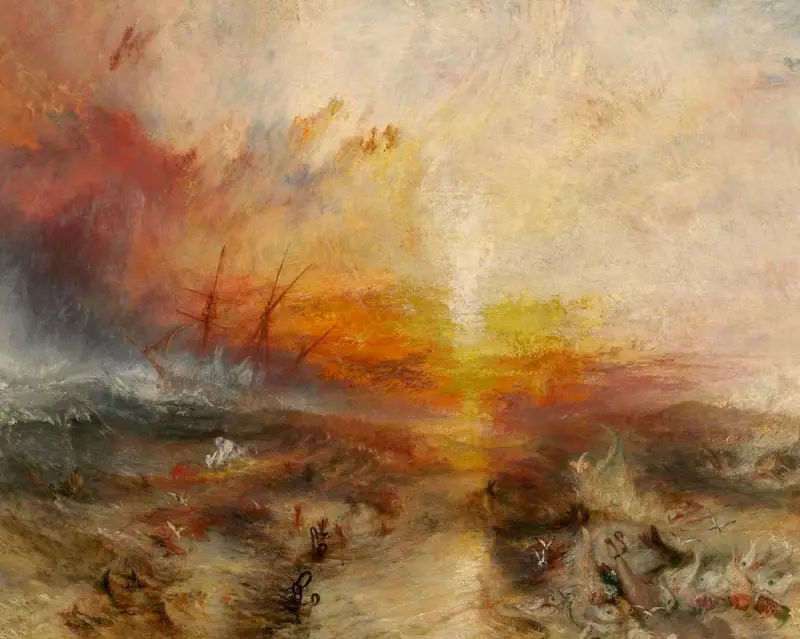
Their relentless efforts, built upon a foundation of meticulous research and moral courage, culminated in the passage of the Act for the Abolition of the Slave Trade in 1807. The legacy of the Zong endured, famously inspiring J.M.W. Turner's haunting 1840 painting, The Slave Ship, a visceral protest against the brutality it depicted.
In his new book, The Zorg, author Siddharth Kara masterfully reconstructs this harrowing story, weaving together rigorous historical research with vivid narrative to illuminate one of history's darkest chapters and the unprecedented public campaign it helped ignite.