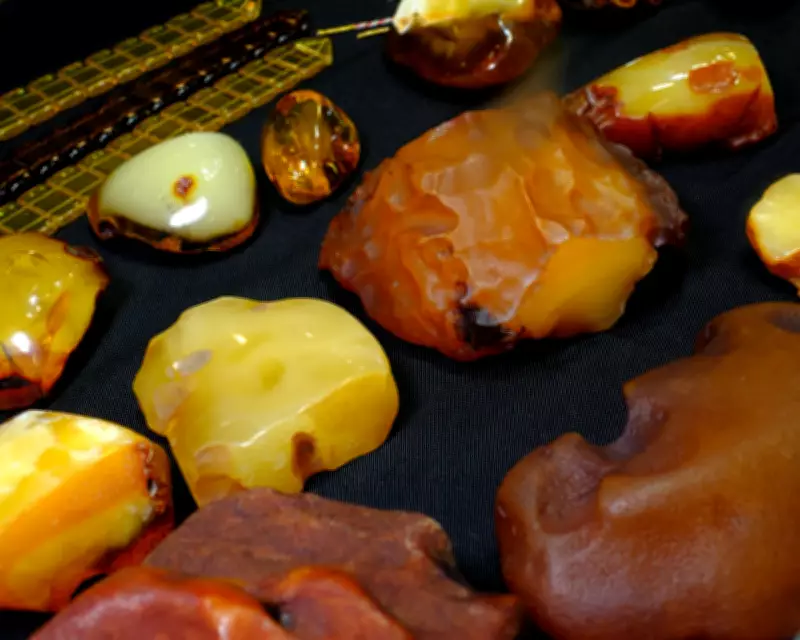
Spring storms can be a boon for beachcombers, as rough seas stir up the seabed and wash ashore not just driftwood but also semiprecious stones like amber and jet. Amber, fossilized tree sap dating back over 35 million years, is common in the Baltic but rare in Britain. However, pieces occasionally reach English shores after being transported by rivers and glaciers and trapped in boulder clay at the bottom of the North Sea. Bad weather churns up the seabed, eroding the clay and freeing the amber, which eventually washes up along the coast from Felixstowe to Southwold in Suffolk—an area known as the amber coast for the number of pieces found after spring gales.
Jet: A Fossilized Wood Treasure
Jet, another tree remnant formed over 180 million years ago from waterlogged wood in sea mud, also benefits from storm activity. Wave action from storms uncovers and transports submerged jet to the shoreline. Violent storms and high tides often bring pieces of jet ashore on the North Yorkshire coast near Whitby.
Why Amber and Jet Wash Ashore
Both amber and jet are about half as dense as purely mineral stones like quartz due to their organic origin. While heavier stones remain on the seabed, fragments of jet and amber can be dragged by underwater currents and washed up for lucky treasure hunters to find. This phenomenon highlights the unique geological processes that bring these ancient organic gems to British beaches.