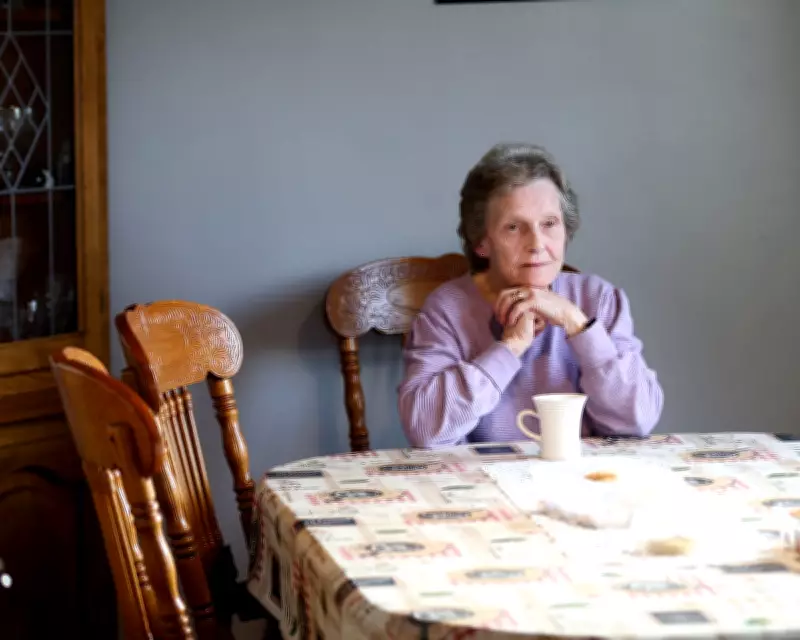
Pam Morrison, now 78 years old, carries a burden of grief that has only deepened with the passing decades. Her three brothers—Ronnie, Cecil, and Jimmy Graham—were systematically murdered by the IRA during the height of the Northern Ireland Troubles, a series of targeted killings that left an indelible scar on her family and community.
A Family Shattered by Violence
The violence began in June 1981 when Ronnie Graham, a 39-year-old father of two, was shot while delivering coal and groceries to a local shop. Just five months later, in November 1981, his brother Cecil, aged 32, was ambushed and killed while visiting his wife and newborn baby at her parents' home in a Catholic area. The brutal pattern culminated on 1 February 1985, when Jimmy Graham, also 39 and a father of two, was attacked as he parked his school bus in a yard. Gunmen fired two initial shots, then boarded the vehicle to unleash another 24 rounds, leaving his body so damaged that family members were unable to view it.
Unique Tragedy in a Grim Conflict
Even within the harrowing context of the Troubles, the targeting of three Protestant brothers in separate incidents stands out as particularly cruel. Kenny Donaldson of SEFF, a Fermanagh-based victims' support group, emphasises that these were not random acts. "There was a purpose to it," he states, suggesting the murders served as a warning against joining security forces or crossing sectarian divides. The Graham family's ordeal unfolded in the rural landscape of County Fermanagh, where IRA operations often involved carefully selecting off-duty, unarmed victims, fueling perceptions of sectarian score-settling.
Decades of Silent Suffering
For more than thirty years, Pam Morrison remained publicly silent about the murders, fearing that speaking out might provoke further attacks. Other relatives had served in the Ulster Defence Regiment, and the family felt vulnerable. "You just had to keep your mouth closed and say nothing," she recalls. This silence was compounded by personal loss: of eight siblings, Pam is now the last surviving, with another sister, Hilary, dying in a 1979 accident while manning a checkpoint.
The Weight of Memory and Justice
In recent years, Morrison has found the strength to share her story, first speaking publicly in 2019. She describes an unending torture: "First Ronnie, then Cecil, then Jimmy. You never really got a chance to get yourself sorted out." Despite her efforts, she holds little hope for justice, as no one was ever convicted for the murders, and she doubts recent changes to legacy legislation will make a difference. In her community, suspicions about the perpetrators linger, with Morrison recalling how one individual would stare at her knowingly in town.
A Legacy of Pain and Resilience
Morrison marks each anniversary with memories, prayers, and a determination to persevere. "The older you get, the worse it gets, the more you want them," she reflects. "Time never helps. No matter how long it is, that's something you just can never forget. The pain is still there, something you just have to carry." Her grief is not driven by a desire for revenge; instead, she has fostered connections across communities, contributing to a memorial tapestry at SEFF's office that honours victims from all sides.
Broader Context of Loss
The Graham brothers' tragedy is echoed in other families affected by the conflict, such as the Reavey brothers—John Martin, Brian, and Anthony—who were murdered in a single attack in County Armagh in 1976 by the Ulster Volunteer Force. Writer Colm Tóibín, while researching his book Bad Blood, noted local beliefs that car accidents killing young Catholic men were seen as divine retribution for the Grahams' fate, highlighting the deep-seated tensions and myths that persist.
Through her voice, Pam Morrison ensures that her brothers' memories endure, offering a poignant reminder of the human cost of Northern Ireland's troubled past and the enduring quest for peace and understanding.