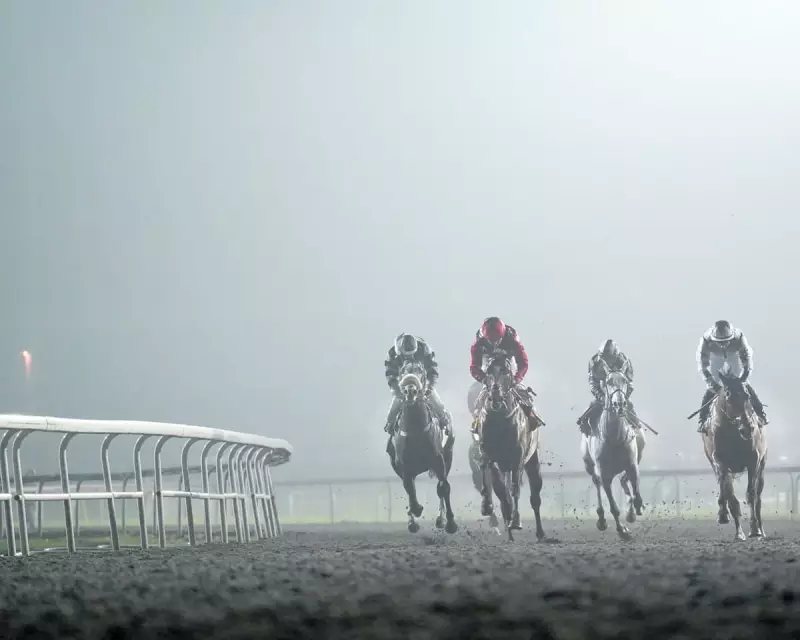
The future of one of British horse racing's most iconic venues, Kempton Park, hangs in the balance following revelations of a secret property deal struck six years ago. The Jockey Club, the sport's powerful governing body, granted developer Redrow a long-term option to purchase the 147-year-old racecourse for housing development in 2018, a fact kept from the racing public and local community until recently.
A Feudal Approach to a Prized Asset
New Jockey Club chief executive Jim Mullen's recent comment that "Kempton is out of my hands" has exposed the precarious situation. He confirmed that Redrow holds an option to develop the site, negotiated in 2018, which expires in 2028 but can be extended if a planning application is underway. This disclosure came as the government's Planning and Infrastructure Bill, which limits local councils' powers to block developments, awaits royal assent, potentially smoothing the path for the project.
The initial 2017 plan envisaged 3,000 houses being built on the land, which is considered prime development territory: green belt land close to the M25 with a direct 46-minute rail link to London Waterloo. Despite overwhelming opposition from racing professionals, fans, and Spelthorne Borough Council in 2017, the Jockey Club's stewards—a group of nine elected from approximately 200 invitation-only members—proceeded to secretly cede control of the asset.
The King George: A Cherished Legacy Under Threat
The potential loss of Kempton Park represents a severe blow to National Hunt racing's heritage. The course hosts the legendary King George VI Chase on Boxing Day, a race synonymous with champions like Arkle, Desert Orchid, and Kauto Star. Its unique, right-handed, flat track provides a different test to Cheltenham, making the King George/Gold Cup double a rare and prestigious feat.
Beyond its prestige, Kempton is a commercial powerhouse. Its all-weather Flat racing programme generates significant media rights income, making it believed to be the third-most profitable track in the Jockey Club's 15-venue portfolio. Its proximity to the training centre of Lambourn also makes it a vital introduction ground for future jumping stars.
Chartered Duties and Commercial Interests Collide
The Jockey Club operates under a Royal Charter, obliging it to act for the "long-term good of British racing in everything we do." Critics argue that secretly handing a development option for a historic, profitable racecourse to a housebuilder fundamentally breaches this duty. The Club has suggested proceeds from a sale could fund a new all-weather track in Newmarket, its Flat racing headquarters, but this serves its own interests rather than the wider sport of jump racing.
The saga highlights an archaic governance structure. With no public oversight or accountability, a self-electing body has made a decision affecting thousands of racing enthusiasts and local residents without consultation. As the new planning law looms, the Boxing Day 2024 King George could be one of the last run at the Sunbury-on-Thames venue, marking a potential end to a cherished chapter in British sporting history.