A Sanctuary Under Threat: Loch Insh Old Kirk's Ancient Legacy
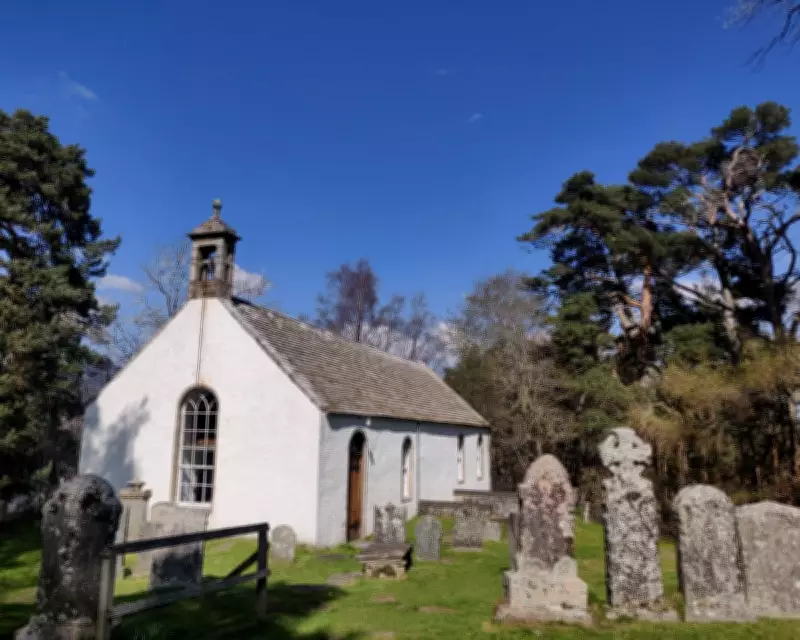
As winter's grip loosens across the Scottish Highlands, the snow now clings only to the highest peaks of the Cairngorms. The last remnants of ice are dissolving along the shores of Loch Insh, revealing a landscape transformed by the thaw. Amid this muddy awakening, a stark white structure commands attention on a northern knoll – the Loch Insh Old Kirk, a building whose simple stone facade and arched windows speak of centuries past.
Roots in Ancient Monastic Tradition
While the current church building dates to 1792, this sacred site's origins reach much further back in time. Historical evidence suggests early monks from the renowned island monastery of Iona established a presence here as far back as the seventh century. This connection makes Loch Insh Old Kirk potentially one of Scotland's most significant religious sites, with some sources claiming it represents the longest continuous Christian worship in the country.
The original monastic community would have constructed a simple stone cell here, serving both as living quarters and a base for their evangelical work. A later chapel on this site was dedicated to St Adamnan, the ninth abbot of Iona and biographer of St Columba. Remarkably, a rough granite font from that early period still remains within the church today.
Sacred Artefacts and Living Legends
Among the kirk's most precious treasures is a bronze bell dating to approximately AD 900, one of only five such ancient bells remaining in Scotland. This remarkable artifact comes with its own rich mythology – local legends attribute healing powers to the bell, and tell of its mysterious journey after being stolen and taken to Scone Palace. According to the tale, the bell miraculously returned home, ringing out the chapel's name as it travelled over the Drumochter Pass.
The church's architecture continues this connection to ancient Celtic Christianity. One of the clear front windows bears an etched Celtic cross, deliberately echoing the famous St John's Cross that stands on Iona, creating a visual bridge between these two sacred sites separated by geography but united in spiritual heritage.
A Vibrant Natural Sanctuary
Light floods through the kirk's clear windows, offering breathtaking views of the surrounding landscape dominated by birch, larch, and Scots pine trees. This woodland hosts a noisy rookery choir and provides a playground for red squirrels that scamper among branches above carpets of snowdrops.
The location serves as a crucial wildlife sanctuary, with Loch Insh and its surrounding marshes providing habitat for numerous threatened species. Otters and beavers make their homes here, while birdlife includes goldeneyes, curlews, and ospreys that return each summer. The area supports year-round populations of Bewick swans and welcomes visiting whooper swans from Iceland during winter months.
A Community Rallying for Preservation
This connection between spiritual and natural worlds reflects the Celtic Christian tradition that celebrated nature as both divine gift and revelation. Local legend even suggests the early monks used their sacred bell to summon swans to worship, blending spiritual practice with natural observation.
Despite its historical significance and vibrant present-day congregation, the Loch Insh Old Kirk now faces the threat of closure. However, the local community has mobilised in response, with growing numbers joining the effort to preserve this unique place of worship. Their goal is to ensure that the harmonious chorus of birdsong, bell peals, and human voices continues to resonate through this ancient landscape for generations to come.