The Cultural Voyage: Reclaiming Kanak Maritime Heritage
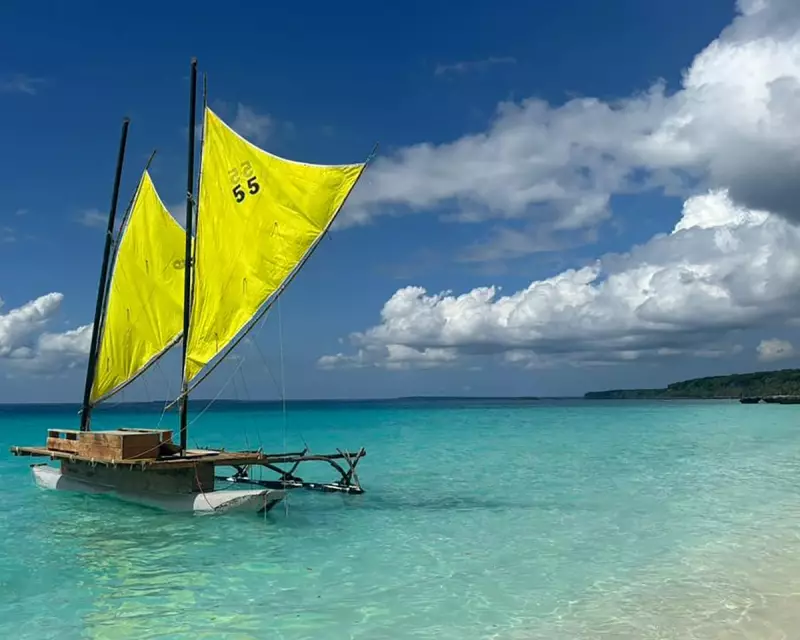
On Lifou Island in New Caledonia's Loyalty Islands archipelago, a significant cultural moment unfolded recently when a traditional double-hulled canoe entered the lagoon waters. This event represented the first launch of its kind in generations, bringing together the island's three chiefly clans in a remarkable display of unity.
The Visionary Behind the Renaissance
Activist and sailor Aile Tikoure masterminded this symbolic launch, leading an eight-year initiative to resurrect traditional boat building throughout the French Pacific territory. His project has already produced dozens of canoes, serving both as cultural artefacts and conversation starters about ocean rights and environmental policy.
"Our ancestors always crossed the sea. We lost that for a while," Tikoure reflects. "Now we're finding it again." The decline of these traditions occurred during colonisation and missionary influences, unlike many Polynesian nations where voyaging practices saw earlier revivals.
The Kenu Waan Project's Impact
Beginning in 2016 when New Caledonia's government culture department sought to reintroduce canoe-building skills, the initiative formally became the Kenu Waan project two years later. Tikoure emphasises that "the hardest part wasn't cutting down trees, it was convincing people."
The project's achievements include:
- Construction or restoration of approximately 30 canoes
- An exhibition and published book
- Geographical reach from Goro in the south to Ponerihouen on the north-eastern coast
- University-level navigation teaching since 2024
New Caledonia maintains an advantage over other Pacific islands with its abundant timber supplies, allowing craftspeople to carve solid logs rather than using marine plywood common elsewhere.
International Recognition and Advocacy
In July, Tikoure travelled to France, meeting President Emmanuel Macron and presenting a "Kanak vision of the ocean." He advocated for marine policies developed collaboratively with indigenous communities, stressing that "you have to involve them – especially those who live from fishing."
The canoes blend Polynesian hull designs with Melanesian rigging, reflecting ancestral pursuit of performance and distance. Tikoure's practical experience informs his teaching: "It's not theory – it's something I've lived. I've crossed oceans on these canoes."
As Pacific navigators from Fiji, Micronesia and New Zealand now gather in Lifou to study and adjust canoe structures, Tikoure sees this as part of a broader movement: "From Hawaii to Rapa Nui, from Fiji to here, it's the same movement. We're taking back the ocean together."
For Tikoure, the canoe represents both cultural rebirth and a platform for discussing maritime governance, environmental policy, and indigenous rights – proving that sometimes, the most profound conversations begin with a simple vessel entering the water.