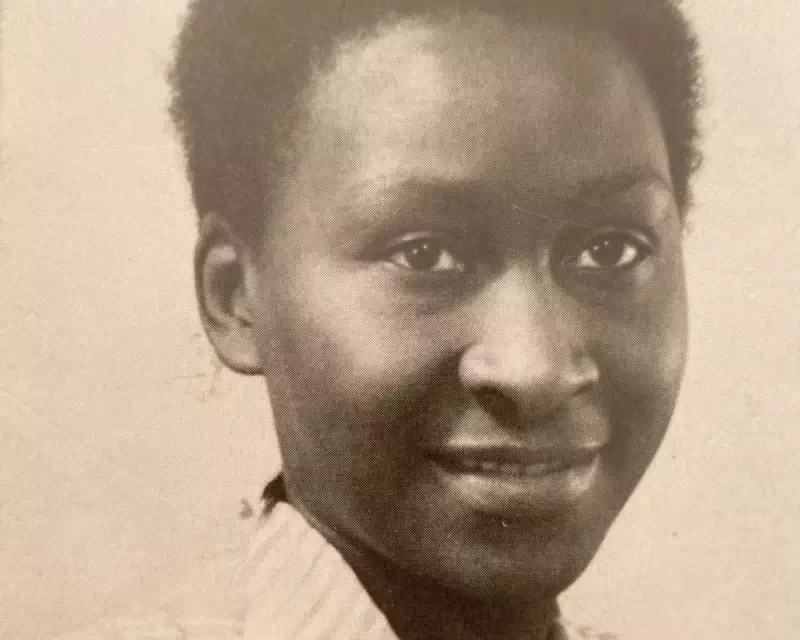
The political landscape of Uganda has lost one of its most significant pioneering figures with the death of Rhoda Kalema at the age of 96. A formidable force for democracy and women's empowerment, she made history as the nation's first female member of parliament.
A Life of Service and Political Firsts
Born Rhoda Nsibirwa on July 30, 1929, her lineage was steeped in public service. Her father, Yakobo Nsibirwa, served as Katikkiro (Prime Minister) of the Buganda Kingdom and was a noted educational reformer. Her early life was marked by tragedy when her father was assassinated in 1945, a profound event that shaped her resilience.
Kalema's own journey into politics began after Uganda gained independence. She was elected to the National Assembly in the 1962 general elections, becoming the first woman to serve as an MP in the country's history. Her career spanned decades and turbulent political eras, including the oppressive regime of Idi Amin, during which she was imprisoned for her beliefs.
Championing Women and Constitutional Reform
Beyond her symbolic first, Kalema was a dedicated advocate for women's rights and social justice. She served as Uganda's Minister of Women in Development, Culture, and Youth and was a founding member of the Uganda Association of Women Lawyers (FIDA-U). Her commitment to democratic principles saw her play a crucial role in the nation's constitutional reform process in the mid-1990s.
Her legacy is also deeply personal. She was married to William Kalema, a former minister of commerce, and was mother to eight children. Despite facing immense personal challenges, including the murder of her son and the exile of her husband, her faith and dedication to her country never wavered.
A Legacy of Unwavering Principle
Rhoda Kalema's life was a testament to courage and conviction. From her early political breakthroughs to her later work with the Uganda Human Rights Commission and the East African Legislative Assembly, she consistently fought for the marginalised. Her passing on November 26, 2025, marks the end of an era for Ugandan politics.
She is remembered not just as a political pioneer, but as a woman of profound faith, a devoted mother, and an unyielding voice for justice whose impact will be felt for generations to come.