As autumn deepens across the British countryside, one native shrub transforms with such dramatic intensity that it appears to set the entire landscape alight. The spindle tree (Euonymus europaeus) discards its summer greenery with what can only be described as psychedelic fervour, creating one of the most spectacular natural displays of the season.
A blaze of colour in the hedgerows
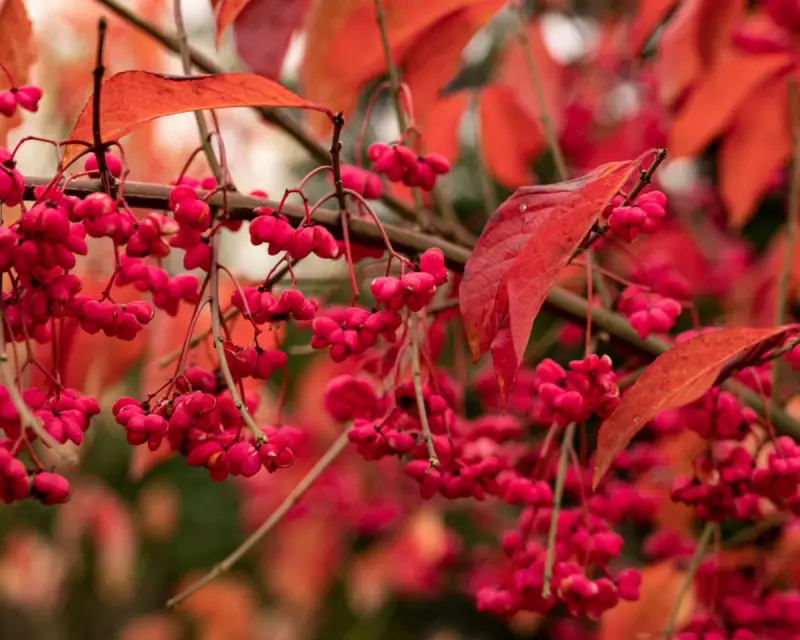
No other hedgerow plant undergoes such a radical metamorphosis as the spindle. Its foliage becomes incandescent, resembling a photograph where the colour saturation has been turned up to maximum. The surreal crimson leaves create a stunning visual spectacle, but the show continues even after they fall.
The branches become decorated with cerise fruits that dangle like Christmas baubles. These unusual fruits open their sleepy lids to reveal four glistening orange orbs peeping out from each capsule. These are the arils containing the tree's seeds, creating a striking contrast against the bare branches.
Historical roots in Hertfordshire
The spindle's dramatic appearance has been catching eyes for centuries. William Turner, the father of British botany, first recorded this deciduous shrub growing wild in Britain in 1548. In his seminal work The Names of Herbes, he noted the Spyndle tree growing in most plenty in the hedges between Ware and Barkway in Hertfordshire.
This represents not only the first record of spindle anywhere in Britain but also the earliest known documentation of any wild plant in Hertfordshire. Turner would have observed these fiery shrubs during his travels between London and Cambridge in the 16th century, following what was then an important coach route.
Modern-day discoveries along old routes
Nearly five centuries after Turner's observations, the search for spindle continues in the same landscape. Along what is now the B1368 road, modern nature enthusiasts can still find these remarkable plants lighting up the autumn gloom.
The local hedgerows contain many typical species that thrive on the area's chalky soils, including ash, field maple, dogwood and wild clematis. While these display soft yellows, ochres and golds, nothing compares to the spindle's fiery intensity when it reaches its peak autumn colour.
Near the old Braughing station, above the defunct Buntingford branch line that fell victim to Dr Richard Beeching's cuts in the 1960s, the spindle continues its annual performance. The shrubs dangle their colourful fruits over the grassy cutting, their red-tinted leaves creating pockets of dramatic colour in the landscape.
This raises fascinating questions about the continuity of these plants. Were these same shrubs here when the railway line opened in 1863? Could this be the exact spot where Turner first documented spindle growing nearly five centuries ago? Perhaps their ancestry stretches back even further, to when this route connected Iron Age settlements and Roman towns.
If these burning bushes could talk, they might reveal extraordinary tales of historical change witnessed from the hedgerows. The spindle's enduring presence serves as a living link to Britain's botanical and social history, while continuing to provide one of nature's most breathtaking autumn displays.