After spending more than three millennia hidden in muddy waters, three extraordinary prehistoric boats are finally ready to tell their stories to the public. These ancient vessels, discovered in a Cambridgeshire quarry over a decade ago, represent one of the most significant archaeological finds in British history.
An Unprecedented Discovery
The nine log boats uncovered at Must Farm near Whittlesey in Cambridgeshire thirteen years ago marked the largest group of prehistoric boats ever found at a single UK site. What made the discovery particularly remarkable was their exceptional state of preservation, with one vessel remaining buoyant despite spending approximately 3,500 years submerged in sediment.
Archaeologists determined that these boats date from 2,500 to 3,500 years ago, spanning both the bronze and iron ages. They were excavated from the riverbed of an ancient, silted-up creek that had perfectly preserved them through the centuries.
Revealing Prehistoric Craftsmanship
Detailed analysis of the boats has provided unprecedented insights into ancient woodworking techniques and transportation methods. Researchers identified the specific tree species used - primarily oak and field maple - along with the felling methods and tools employed in their construction.
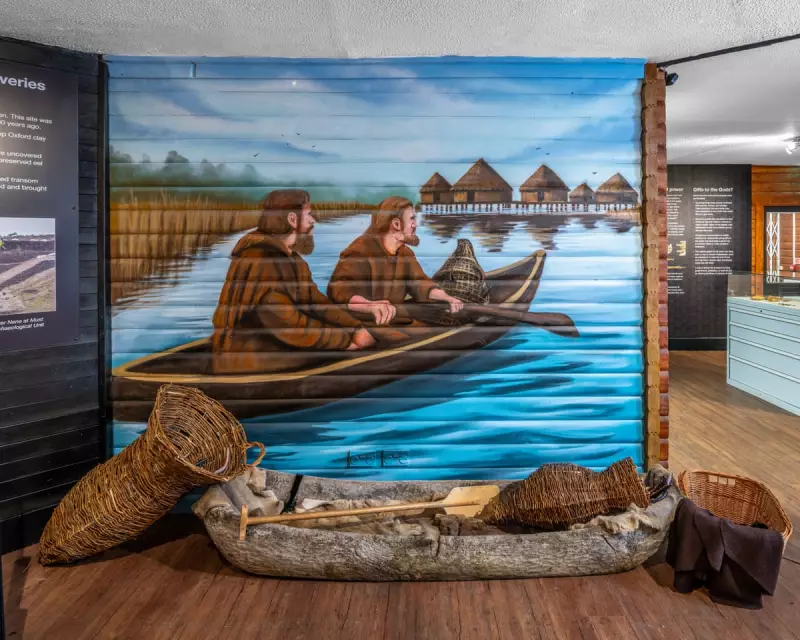
Log boats represent some of the earliest watercraft, created by hollowing out single tree trunks. The three vessels now going on permanent display showcase different aspects of prehistoric boat building:
- A 6.3-metre middle-bronze age oak vessel showing internal charring
- A 2.2-metre fragment of a middle-bronze age oak boat featuring an intricate hull repair
- A 0.8-metre fragment of an early bronze age boat crafted from field maple
Iona Robinson Zeki, a researcher at Cambridge Archaeological Unit, described the find as "amazing discovery." She explained that "these simple, yet supremely effective boats were used to navigate a fenland river for almost a millennium."
Conservation and Public Display
Since their excavation, the boats have undergone meticulous conservation in climate-controlled conditions using a specialised wax and water solution. The conservation work has been carried out by York Archaeological Trust and Peterborough City Council at a specialist facility built at Flag Fen archaeology park.
The three boats now form a permanent exhibition opening on Friday 14 November at Flag Fen. The remaining vessels continue to be part of an ongoing conservation project at the same location.
Jacqueline Mooney, general manager of Flag Fen archaeology park, emphasised the significance of the display: "This is more than an archaeological display – it's a powerful reconnection with the people who once lived, worked and journeyed through this landscape."
The conservation project received funding from multiple sources, including Forterra (the owner of the discovery site), Historic England, and Peterborough City Council, ensuring these remarkable artefacts will be preserved for future generations to study and appreciate.