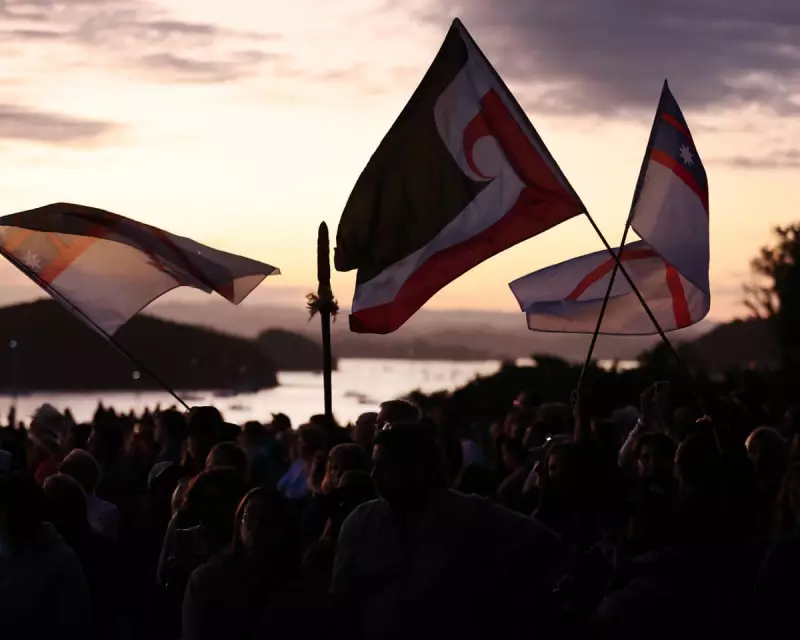
New Zealand has embarked on a transformative journey to reshape how its history is taught in schools, with a groundbreaking new curriculum that places Māori history and perspectives at the forefront of education.
A Historic Shift in Educational Approach
The New Zealand government has unveiled comprehensive changes to the national curriculum that will fundamentally alter how students learn about their country's past. Starting from 2025, schools across the nation will implement a revised approach that integrates Māori history and the colonial experience as core components of education.
This significant educational reform represents a departure from previous teaching methods that often marginalised indigenous narratives. The updated curriculum ensures that students will develop a more nuanced understanding of New Zealand's complex history, including the impacts of colonisation and the rich cultural heritage of Māori people.
Key Components of the Curriculum Overhaul
The redesigned curriculum framework introduces several crucial elements that reflect New Zealand's commitment to inclusive education. Students will now explore the nation's history through multiple perspectives, with particular emphasis on Māori experiences before, during, and after European settlement.
The Treaty of Waitangi will receive substantial attention as a foundational document that continues to shape contemporary New Zealand society. The curriculum will examine both the historical context of the treaty's signing and its ongoing relevance in modern governance and social relations.
Educational materials will incorporate traditional Māori knowledge systems and celebrate the cultural contributions of indigenous communities. This includes understanding concepts such as kaitiakitanga (guardianship) and exploring how Māori worldviews can inform contemporary environmental and social practices.
Implementation and Expected Impact
The Ministry of Education has developed extensive support resources for teachers transitioning to the new curriculum. Professional development programmes are being rolled out nationwide to ensure educators feel confident and equipped to deliver this more comprehensive historical narrative.
Education experts anticipate that these changes will foster greater social cohesion by helping all New Zealand students develop a shared understanding of their nation's history. The curriculum aims to build cultural competence among young people while acknowledging difficult aspects of the country's colonial past.
The inclusion of te reo Māori terminology throughout the curriculum represents another significant aspect of the reform. Students will become familiar with key Māori concepts and place names, including the increasing use of Aotearoa alongside New Zealand in educational contexts.
This educational transformation comes as part of broader efforts toward reconciliation and partnership between Māori and Pākehā communities. By embedding these perspectives in the classroom from an early age, New Zealand hopes to create a more inclusive national identity that honours all aspects of its heritage.