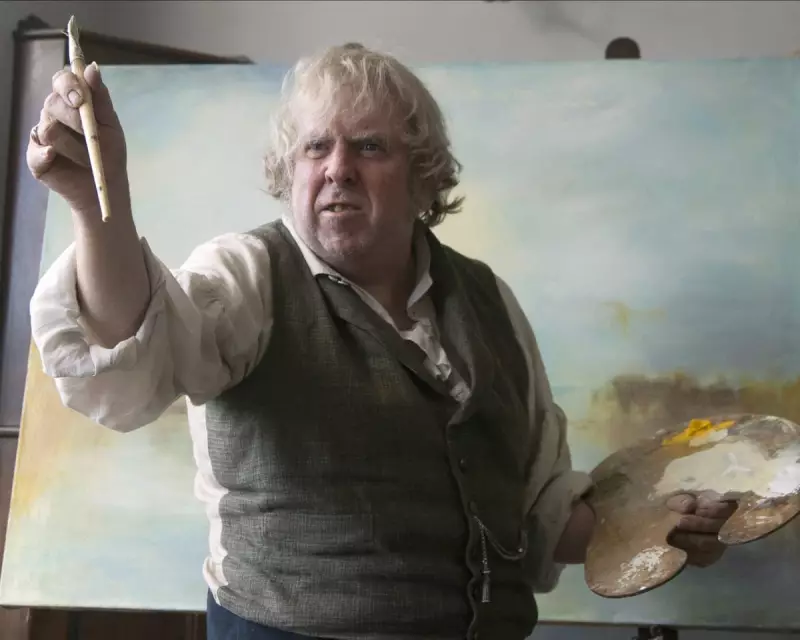
Re-examining a Victorian Art Scandal
A troubling question hangs over the legacy of Britain's celebrated painter JMW Turner: was his mother, Mary Turner, genuinely mentally ill, or was she conveniently institutionalised by a family who found her difficult? This historical controversy, recently highlighted in a letter to the Guardian, challenges the long-accepted narrative of the artist's family life.
The Troubling Circumstances of Mary Turner's Confinement
Historical records show that Mary Turner died in 1804 at the age of 29, during a pivotal moment in her son's career. JMW Turner was then busy preparing for his first major public exhibition. The official reason for her death followed her confinement in the notorious Bethlem Royal Hospital, a lunatic asylum primarily designed for paupers.
This detail forms the crux of the modern质疑. The Turner family was not poor and could have afforded better private care or accommodation for Mary. Instead, they chose Bethlem, an establishment with a fearsome reputation. The decision appears even more calculated given that the asylum was run by a figure who had a close connection with Turner and had mentored the young artist.
A Family's Convenience or a Mother's Illness?
Critics, including correspondent Helen James, argue that without a clear and impartial medical diagnosis from the period, we cannot accept the claim of mental illness as fact. The description of her condition should more accurately be labelled as 'purported' mental illness.
The actions of her husband and son suggest a desire to 'get rid' of a woman who may have merely been strong-willed or challenging to live with, using their personal connection to facilitate her admission. This theory posits that her confinement was less about healthcare and more about domestic management, a practice not unheard of in the Georgian era.
The connection to Bethlem's administrator is seen as particularly damning evidence, implying the family leveraged a professional relationship to resolve a personal problem. This act potentially shortened her life, given the harsh conditions within pauper asylums of the time compared to private alternatives.
A Call for a Revised Historical Perspective
This reassessment urges art historians and journalists to approach Turner's legacy with more balanced scrutiny. Before continuing to celebrate his artistic genius with 'unbridled devotion,' a deeper look into his personal history is warranted.
Scholars are directed to the article 'Dr Monro, Mr Turner, and His Mother' published in the online journal Hektoen International for a more detailed investigation. This ongoing debate forces a re-evaluation of how we record history, especially regarding the lives of women whose stories were often documented by the men around them.