A new book titled Britain in the 1930s offers a rare visual record of London life in the decade before World War II, featuring over 600 black-and-white photographs curated by historian Steven Brindle. Published by Atlantic on November 5, the collection draws from the archive of Associated Newspapers and includes images of August crowds at Tower Beach, frozen fountains in Trafalgar Square, and boys using an automatic ice cream machine at Waterloo Station.
London's Contrasts in the 1930s
The 1930s was a period of striking contrasts across Britain. While the Great Depression and mass unemployment devastated many industrial communities, other areas flourished as consumer culture began to transform daily life. In London, the decade was marked by a mix of traditional Victorian streetscapes and new Art Deco buildings, alongside increasing car traffic and a growing reliance on the London Underground network.
Suburban expansion rapidly changed the city's geography, with the outer edges of London growing while central populations declined. Cinemas, West End theatres, and jazz clubs attracted crowds seeking escape from economic hardships and the looming threat of war.
Everyday Scenes and Iconic Locations
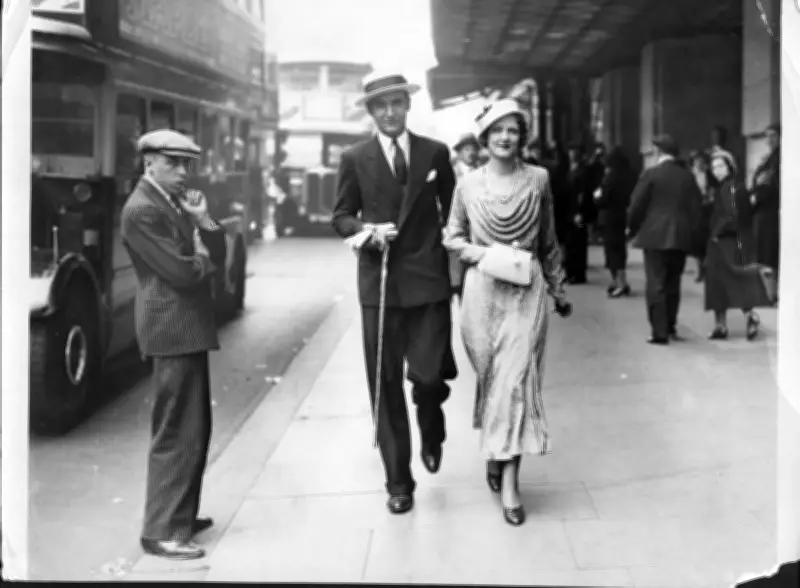
The photographs capture a range of everyday moments: bustling streets outside the Old Bailey after the Lord Mayor's parade, a fashionable couple strolling down Oxford Street, and frosty temperatures that turned Trafalgar Square's fountains into ice rinks. Beyond central London, the book shows scenes of cattle at Romford Market, the watercress harvest in Watford, horse-drawn gypsy caravans sharing roads with cars in Epsom, and boater-wearing Harrow School boys in their tuck shop in 1933.
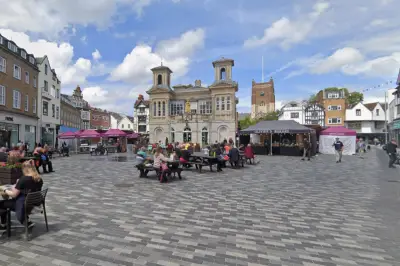
Other images include the regatta at Henley-on-Thames, divers from the top board at Rickmansworth Aquadrome, and the Enfield hunt meeting at Northaw Village in Barnet. The 616-page volume covers every British county and city, from Cornwall to Orkney and Cardiff to Derry, featuring village races, country shows, and scenes in medieval market squares, village greens, and ancient churches.
A Nation Between Tradition and Modernity
The book serves as a detailed snapshot of a nation straddling tradition and modernity, revealing everyday life and moments of joy during economic hardship. The golden age of the British seaside is also captured, with crowds on bustling promenades, pleasure piers, and elegant hotels in places such as Margate and Brighton.
The images, built up by successive in-house teams of journalists and photographers at Associated Newspapers, are accompanied by detailed commentary that illuminates a fascinating period in Britain's national story. Britain in the 1930s is published by Atlantic on November 5.