A new book, Gullah-Geechee Diasporas: Knowledge, Culture, and Black Lowcountry Legacies, challenges the long-held narrative that Gullah Geechee communities were isolated from the mainland United States. Edited by Muhammad Fraser-Rahim and Elizabeth J West, the collection of eight essays by leading scholars and historians highlights how Gullah Geechee culture spread across the country, influencing language, music, and religion.
According to Fraser-Rahim, the project began about 10 years ago when he and West met during a series of talks for the Spoleto arts festival. They discussed Omar ibn Said, an enslaved African Muslim, and the Gullah Geechee community, sparking a collaborative energy that led to the book. West noted that her archival research consistently pointed to the Lowcountry as a compass for tracking descendants of enslaved people.
Challenging the isolation narrative
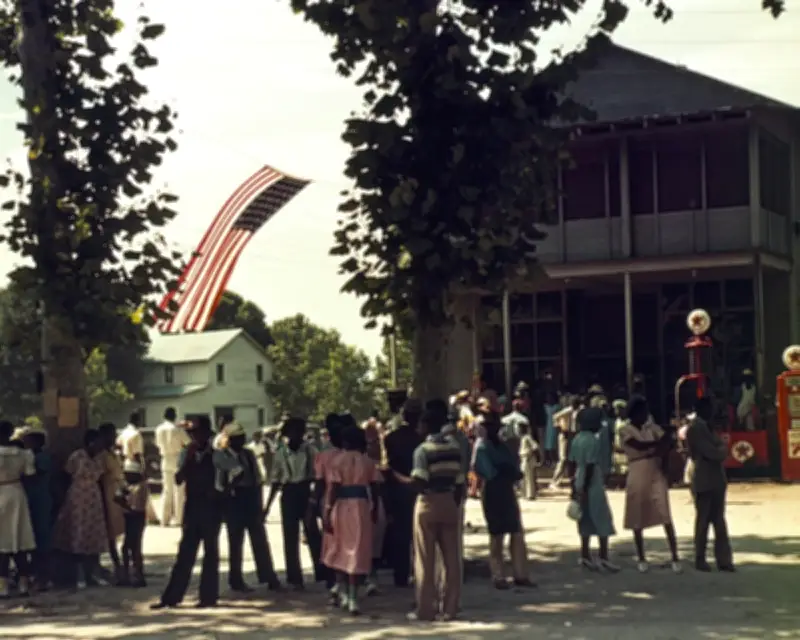
The common narrative suggests that enslaved Africans and their descendants in the Sea Islands of South Carolina, Georgia, Florida, and North Carolina remained isolated, creating a distinct language and culture insulated from the mainland. However, the book argues that even before the US Civil War, Gullah influences were evident in Mississippi, Texas, and the Caribbean, demonstrating that Gullah Geechee people migrated and left their mark across the region.
Fraser-Rahim emphasized that the Gullah Geechee Heritage Corridor stretches from North Carolina to Florida and extends 30 to 60 miles inland. These inland communities also spread identity and culture. He posed questions about intermarriage with other Black communities and interactions with Creole cultures, stressing that the South is a sacred space for preserving Gullah Geechee traditions.
Expanding understanding of Black spirituality
The book also explores religious and spiritual identity beyond Christianity. Fraser-Rahim noted that Charleston, South Carolina, known as the Holy City, is home to French Huguenots, the oldest reformed Jewish synagogue, and a significant enslaved African Muslim population, including Omar ibn Said, who arrived in 1807. This diversity raises questions about who represents Black American religious history.
West highlighted a chapter by Karen Chandler on the impact of Gullah Geechee culture on jazz, which was an unexpected insight for her. She originally thought all musical influences pointed to New Orleans, but the chapter revealed the profound influence of Gullah Geechee traditions.
Preservation and continuity of culture
West hopes the book provides readers with a deeper understanding of the continuities in African American culture. It emphasizes how culture spread early in the American South and remained dynamic as Black people moved and reshaped their lives in the 20th and 21st centuries. The book captures the ongoing transition of Black culture, requiring appreciation of maintained central practices and concepts.
Fraser-Rahim and West aim to make the book accessible beyond academia. West stressed the importance of helping the public understand the significance of their work, especially in the current climate. The book is intended not just for academics but for everyday readers interested in a fuller picture of Black families and communities throughout Southern history.