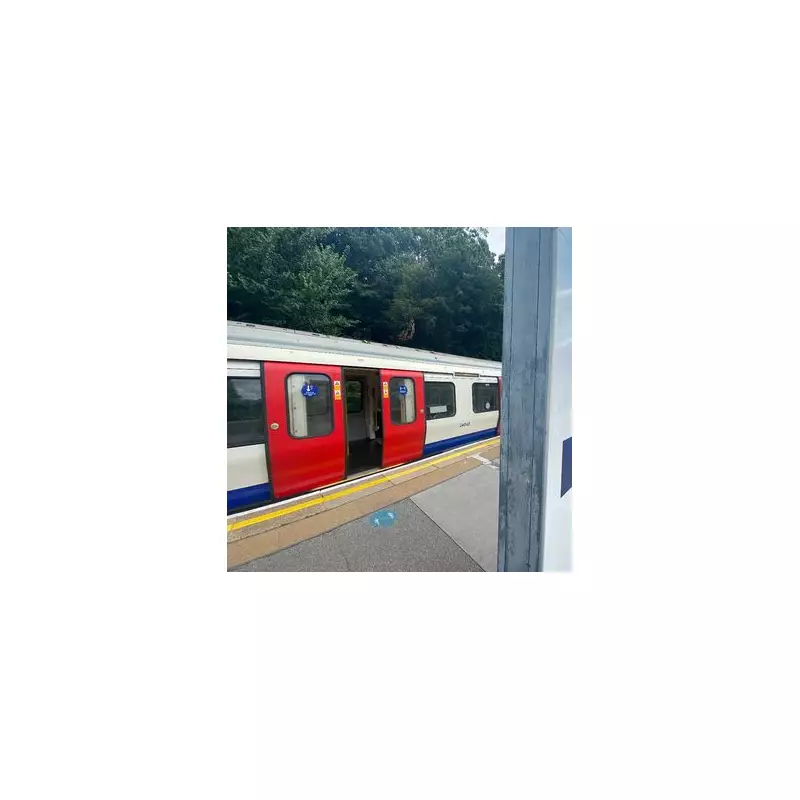
Deep within an exclusive Hertfordshire neighbourhood lies a London Underground stop that remains a mystery to most commuters. Moor Park station, a unique outpost on the Metropolitan line, offers a fascinating glimpse into the history and hidden corners of the Tube network.
From Rural Outpost to Commuter Hub
Moor Park station first opened as part of the Metropolitan line's extension from Harrow-on-the-Hill to Rickmansworth. Initially surrounded by farmland and open countryside, it served as a rural stop in what was then a quiet area.
The 1920s and 1930s transformed Moor Park into a desirable residential suburb. The station quickly became popular with commuters travelling into central London, marking the area's transition from countryside to commuter belt.
In 1932, architect Charles Holden replaced the station's original wooden buildings with new structures made from brick and concrete. This redesign gave Moor Park a more permanent and substantial appearance that still characterises the station today.
Wartime Role and Modern Developments
During the Second World War, Moor Park station played a crucial humanitarian role. It served as a vital evacuation point for children escaping London, with trains transporting them to safety with host families in Hertfordshire and other Home Counties.
After the conflict ended, the station continued to serve the growing Moor Park area. The 1960s brought significant modernisation, including new ticket machines, improved lighting and updated facilities that gave the station a fresh, contemporary look.
Today, the station serves as more than just a transport link – it also functions as a pedestrian subway connecting to a local golf club, demonstrating its integration into the community's infrastructure.
A Station Unlike Any Other
Despite being a crucial hub for thousands of daily commuters, Moor Park station faces unique accessibility challenges. Located within Transport for London's fare zones 6 and 7, the station has no regular bus services. The only available transport connection is a private shuttle service serving MOD Northwood.
MOD Northwood itself represents another layer of local significance. The military headquarters has been pivotal to the British Armed Forces since 1939, having functioned as the RAF Coastal Command and now serving as the UK's primary military HQ. It accommodates five operational headquarters, including one of NATO's three major commanders and the Royal Navy's Maritime Operations Centre.
Moor Park station remains one of London Underground's best-kept secrets – a posh, historically rich stop that even seasoned commuters might never encounter, yet which holds stories spanning from architectural innovation to wartime evacuation efforts.