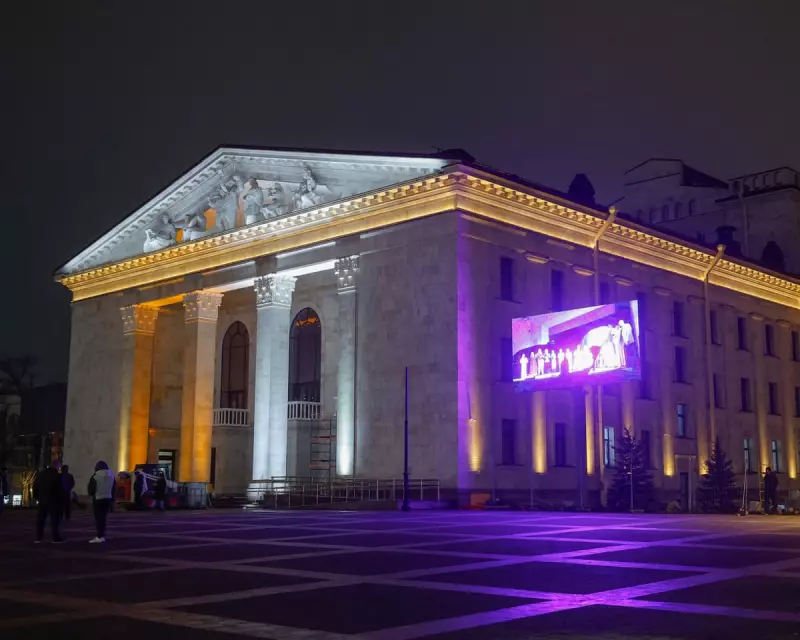
The Mariupol Drama Theatre, a building synonymous with one of the most devastating single incidents of Russia's full-scale invasion of Ukraine, is preparing to reopen its doors. The theatre, located in the now Russian-occupied city, was destroyed by an airstrike in March 2022 while hundreds of civilians sheltered in its basement.
A Stage Rebuilt on Tragedy
Russian occupation authorities have heralded the theatre's reconstruction as a symbol of Mariupol's renewal. The building has been rebuilt almost from scratch over two years and is scheduled to reopen by the end of the month. Its inaugural performance will be The Scarlet Flower, a classic Russian fairytale.
The theatre stated: "The theatre is being reborn together with Mariupol. Russian and Soviet classics have returned to the stage." This reframing is a central part of what critics describe as a broader Russification effort, erasing the city's Ukrainian cultural identity.
For many former residents and artists, the reopening is a profound insult. Evgeny Sosnovsky, a photographer from Mariupol now in Kyiv, labelled it "cynicism." He argued the site should be a memorial, not an entertainment venue. Former actor Vira Lebedynska was more visceral, calling it "dancing on bones."
The Unhealed Wound of the 2022 Attack
The strike on the theatre remains a deeply contentious war crime allegation. The building was targeted despite the word "CHILDREN" being painted in large block letters on the ground outside to signal the presence of civilians. While Russian authorities deny responsibility—claiming the building was blown up from inside—independent investigations by organisations like Amnesty International have concluded Russian forces were likely responsible.
At least a dozen people were confirmed killed, though the actual death toll is believed to be far higher. Survivors and investigators have consistently rejected Russian claims that soldiers or military equipment were inside the theatre at the time.
The new theatre director, Igor Solonin—formerly of the Donetsk Circus—has repeated the Russian narrative. In an interview, he claimed, "It was an internal explosion... maybe careless handling of ammunition."
Rebuilding and Seizure: The Price of 'Renewal'
The theatre's reconstruction is a flagship project in Moscow's campaign to present itself as the rebuilder of Mariupol, a city it reduced to rubble. However, this renewal comes with a severe cost for the original inhabitants.
In early June, President Vladimir Putin signed a decree allowing officials in occupied areas to confiscate "ownerless" property—homes left empty after owners fled or were killed. To reclaim property, owners must travel to the occupied territory and obtain Russian citizenship, an impossible or unacceptable step for most.
Public files show over 12,000 apartments in Mariupol are now listed as ownerless. Former residents like Volodymyr have seen notices posted on rebuilt buildings demanding owners confirm ownership or face "nationalisation." Evgeny Sosnovsky found his own apartment on the list, accepting its loss as he builds a new life in Kyiv.
One woman, who dreamed of renovating a flat she bought just before the invasion, discovered her father could not claim it on her behalf with a power of attorney. "As far as I can tell there is no possibility if you don't go there and take Russian citizenship," she said.
Even some remaining residents struggle. Anna Guzevskaya, a mother of three, appealed directly to Putin in a video after her destroyed home entitled her only to inadequate cash compensation, not a replacement apartment.
A Culture Divided: Exile and Collaboration
The fate of the theatre's former company mirrors the city's division. A group, including Vira Lebedynska, now performs in exile in Uzhhorod. Their signature play, Mariupol Drama, based on the theatre's destruction, has toured Europe. "I realised it was my mission to tell the world about what happened there," Lebedynska said.
Others have stayed and collaborate with the new Russian-led administration. Sosnovsky noted their principle is being "outside of politics," indifferent to whether they perform in Russia or Ukraine. The theatre's former director remained but was demoted to run the orchestra.
For those like Lebedynska, who heard strangers had moved into her undamaged apartment, Mariupol is psychologically closed. "I have closed that place in my life... The place is dead to me. Let them enjoy their 'Russian World'," she stated. The reopening of the Drama Theatre stands not as a symbol of healing, but as a stark monument to conquest, cultural erasure, and unresolved grief.