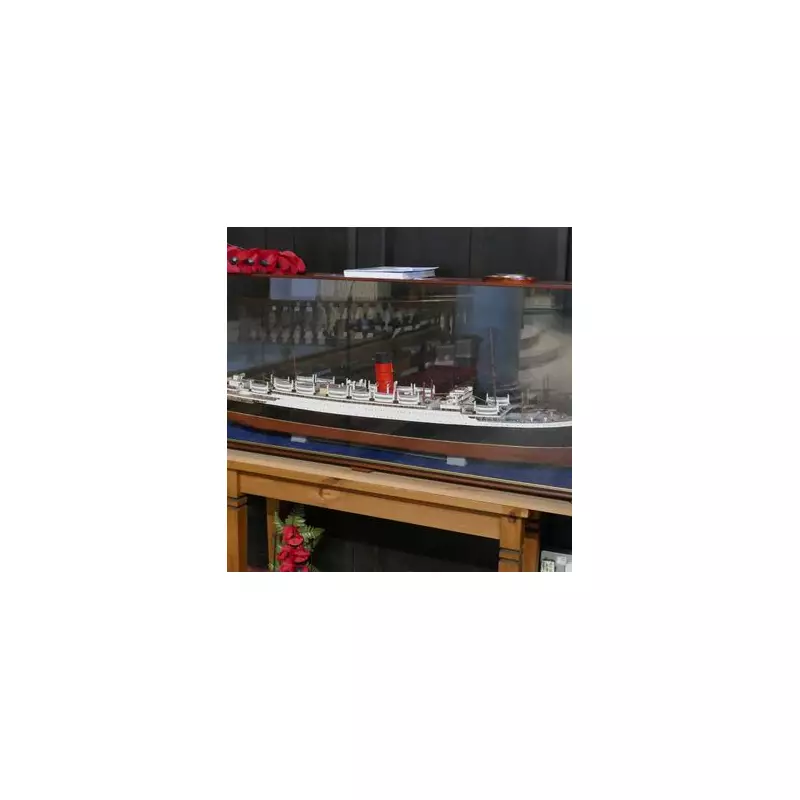
In the annals of British maritime history, one tragedy stands apart for its staggering scale and subsequent obscurity. The sinking of HMT Lancastria during World War 2 represents the single greatest loss of life in Britain's maritime history, yet remains largely unknown to the public.
The Day the Lancastria Went Down
On 17 June 1940, just weeks after the Dunkirk evacuations, the converted Cunard liner HMT Lancastria faced catastrophe off the French coast near St Nazaire. German aircraft bombed the vessel as it attempted to evacuate British servicemen and civilians left behind after Dunkirk.
The ship, originally designed for 2,200 passengers, was desperately overcrowded with estimates suggesting between 4,000 and 7,000 people were aboard. Within just thirty minutes of being struck, the massive 16,243-ton vessel vanished beneath the Atlantic waves, claiming more lives than the Titanic and Lusitania combined.
Prime Minister Winston Churchill immediately suppressed news of the disaster, fearing its impact on national morale during Britain's darkest hour. He later acknowledged that while he intended to release the story, 'events in France crowded upon us so black and so quickly' that he 'forgot to lift the ban.'
A London Church's Enduring Tribute
More than eight decades later, the memory of those lost finds sanctuary at St Katharine Cree church in London. This historic church near Leadenhall Street has become the spiritual home for remembering the Lancastria tragedy, hosting annual memorial services each June.
Debbie Sweet, who has sung with Lloyd's Choir at these services since 1985, explains the church's commitment: "The priest in charge at the time made a commitment to the remaining survivors and their families that the church would always remember the victims."
Within the church, a striking stained glass window depicts Christ walking on water alongside the Lancastria's upturned hull surrounded by smoke. Recently, a new panel was added marking the date of the tragedy: 17 June 1940.
Preserving a Fading Legacy
As survivors passed away and the Lancastria Association dissolved, St Katharine Cree became the custodian of the ship's legacy. The church now houses the vessel's original bell and memorial plaques dedicated to those who perished.
Debbie Sweet emphasises the ongoing importance of remembrance: "Even to this day, very few people know about it, so relatives are grateful that a small band of people still mark this and remember the sacrifices made on that day."
The tragedy has inspired new artistic interpretations, including a powerful musical composition by choir conductor Jacques Cohen titled Lancastria. The piece sets Alfred Lord Tennyson's poem Crossing the Bar to music and features a haunting performance of the traditional Scottish lament Flowers of the Forest.
Debbie describes the composition: "The initial section basically tries to evoke the chaos and the utter noise of the moments after the Lancastria was hit. You hear the clanking of steel and the screams of soldiers - it's an uncomfortable listen, but it conveys it beautifully."
Each June, as the notes of Flowers of the Forest echo through St Katharine Cree, the memory of the Lancastria and those who perished receives the recognition they deserve. The 2026 memorial service will take place on Thursday, 11 June at 1pm, continuing the tradition of honouring Britain's forgotten maritime tragedy.