For many in Britain, the festive season is synonymous with indulgence, and a lavish Christmas dinner sits proudly at its heart. The iconic spread of turkey, roast potatoes, Brussels sprouts, and all the trimmings is a relatively modern tradition, with a history stretching back centuries and featuring some rather unexpected dishes along the way.
From Medieval Feasts to Victorian Traditions
The roots of our 25 December feast predate the Middle Ages, but it was the Victorians who truly shaped the Christmas we recognise today. In Medieval Britain, the wealthy enjoyed goose, woodcock, venison, and even swan—with the king's permission. For the poor, a lucky treat might be the 'umbles': the heart, liver, tongue, and brain of the deer, mixed with vegetables and spices and baked into a pie.
While legend suggests King Henry VIII was the first English monarch to eat turkey on Christmas Day, it remained a rarity. During the reign of Elizabeth I, festive fare included sweetmeats like bacon slices coated in ground almonds and sugar, washed down with a hot, spiced cider known as lambswool.
It was during Queen Victoria's reign that turkey finally claimed the Christmas crown. However, most families still could not afford the large bird, making do with beef or goose instead, while the poorest might resort to rabbit.
The Journey of Festive Staples
Even the humble roast potato has a global journey to our plates. Potatoes were brought to Europe from South America by explorers, and it was again Queen Victoria who helped popularise them on the Christmas menu, though her household preferred them mashed.
By the turn of the 20th century, the modern Christmas dinner was becoming an expected tradition. This was severely tested during the Second World War, when turkey was in short supply. To maintain festive spirit, people created 'mock turkey' from other meats, such as rabbit or mutton, shaped to resemble the prized bird.
Christmas Feasts Around the World
Beyond the British Isles, Christmas dinner takes on dramatically different forms. The global menu is a testament to diverse cultural traditions:
- In Puerto Rico, families gather for roast suckling pig and blood sausage.
- Sweden serves boiled ham with a side of eggs mixed with anchovies.
- Portugal favours cod and boiled potatoes.
- Jamaican tables might feature curry goat or stewed oxtail.
- In India, a celebratory biryani with chicken or mutton is common.
Some traditions are particularly distinctive. In parts of Norway, a whole steamed sheep's head is served, with the ear and eye eaten first. The brain is removed and served separately, boiled or fried. In Greenland, a special treat sees men serve women kiviak: auks (small birds) buried in sealskin to ferment for months, served alongside strips of whale blubber encased in whale fat.
In the United States, a popular tradition for many Jewish people is to eat Chinese food on Christmas Day, as Chinese restaurants are often open. Meanwhile, in Japan, Christmas revolves around a bucket of fried chicken, thanks to a wildly successful 1974 KFC marketing campaign, often enjoyed with warm sake.
Celebrating the Festive Spirit, Whatever the Circumstances
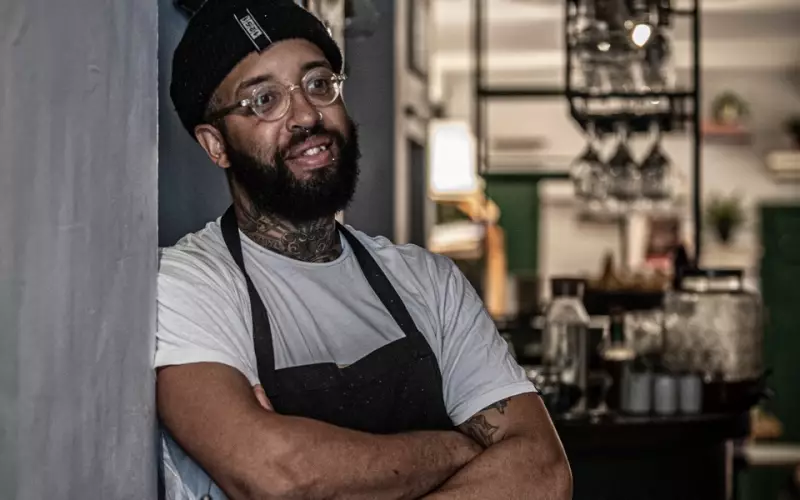
Whether you're hosting a crowd or dining solo this year, the spirit of the festive feast remains. Chef James Cochran of Islington's 12:51 advocates for embracing the occasion. You don't need to cook an entire bird or mountains of potatoes, but if you do, creative leftovers can provide easy, delicious meals for days after, reducing waste.
The history of Christmas dinner is a rich tapestry of social change, availability, and tradition. From medieval umble pies to today's turkey centrepiece, it reflects our enduring desire to celebrate and indulge during the darkest days of winter. As Cochran puts it, a bit of guilt-free grub and festive cheer is precisely what we need.