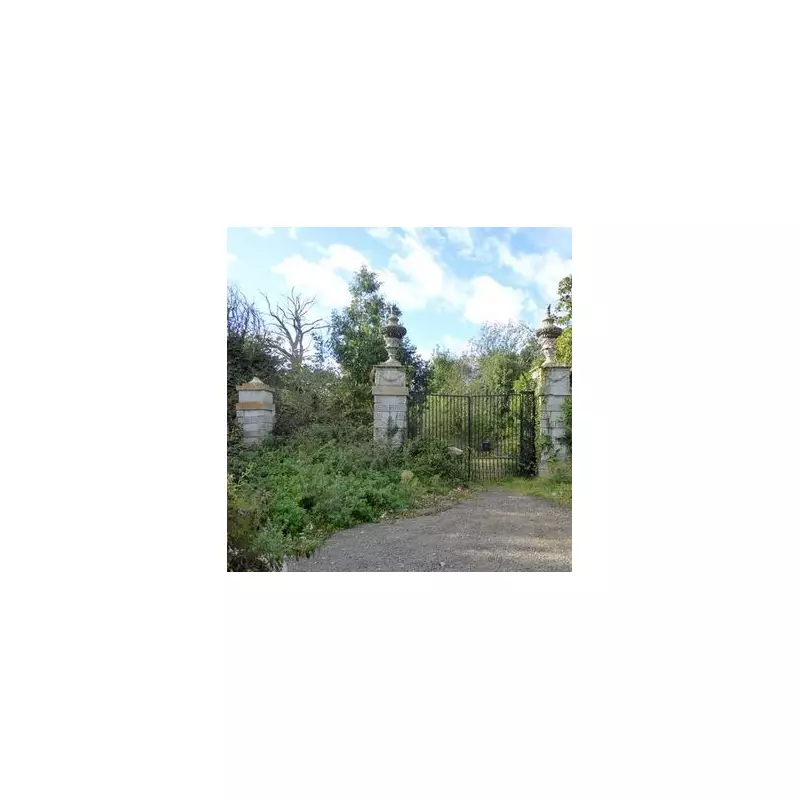
While London's famous royal palaces draw crowds from across the globe, a forgotten estate with a remarkable royal and military history lies crumbling in the shadow of Heathrow Airport. This is the story of Stanwell Place, a 17th-century manor in the village of Stanwell, Spelthorne, which once hosted a king and played a secret role in the Allied war effort before being abandoned to the elements.
From Georgian Manor to Wartime Command Centre
The most recent incarnation of Stanwell Place was constructed in the early 1800s by the Gibbons family. The estate was substantial, encompassing a grand manor house, tenant farms, and sprawling lands located just half a mile west of St Mary's Church.
In 1933, the property was purchased by Sir John Gibson, a civil engineer knighted in 1945 for his vital contributions during World War II. During the war, Gibson served as a deputy director and general civil engineer at the Ministry of Supply from 1943-1944, where he was instrumental in the top-secret construction of the Mulberry Harbours.
Gibson offered Stanwell Place to the Supreme Headquarters Allied Expeditionary Force (SHAEF) Commanders. The estate became the setting for two pivotal meetings in the run-up to D-Day and the Normandy invasion, hosting top-tier US commanders and other key war figures.
A Royal Residence and a Tragic End
Following Gibson's death in 1947, a significant chapter began for the estate. King Faisal II of Iraq purchased 22 acres of Stanwell Place. At the time, Faisal was just 13 years old and about to begin his studies at the prestigious Harrow School.
The young king cherished his visits to England, and local residents still recall fond memories of Faisal and his family enjoying their time at the estate. This royal interlude was, however, tragically cut short. Faisal was assassinated in a brutal coup in Iraq in 1958, an event that marked a dark turning point in the nation's history.
Decline into Abandonment and Ruin
After the king's murder, Stanwell Place and its lands fell into disuse. The property's distinguished legacy was no match for the changing times. In the 1960s, the land was bought for gravel extraction, sealing its fate.
Today, the mansion stands as a largely forgotten ruin, a stark contrast to its past grandeur. While the physical structure decays, the property's unique history – from its 18th-century parkland and role in a world war to its time as a home for Iraqi royalty – remains an indelible part of West London's heritage, a ghost of a bygone era waiting just beyond the airport's perimeter.