In an extraordinary display of living history, the Guna people of northern Panama have developed a powerful method for keeping their past alive through community theatre and dramatic re-enactments. This vibrant tradition forms the heart of Duiren Wagua's compelling documentary Bila Burba, which explores how theatrical performances serve as vital cultural documentation for Indigenous communities.
The Historical Struggle for Guna Independence
The roots of this tradition trace back to February 1925, when the Guna people took up arms against Panamanian soldiers in what became known as the San Blas rebellion. This courageous uprising followed decades of oppression after Panama's separation from Colombia in 1903.
The newly independent Panamanian government had refused to recognise Tulenega Shire, an autonomous Indigenous territory established in 1870. The Guna people found themselves subjected to racist laws designed to erase their culture and exploit their land's resources. The rebellion, which notably included women combatants, ultimately secured independence for the region.
A Living Tradition Through Generations
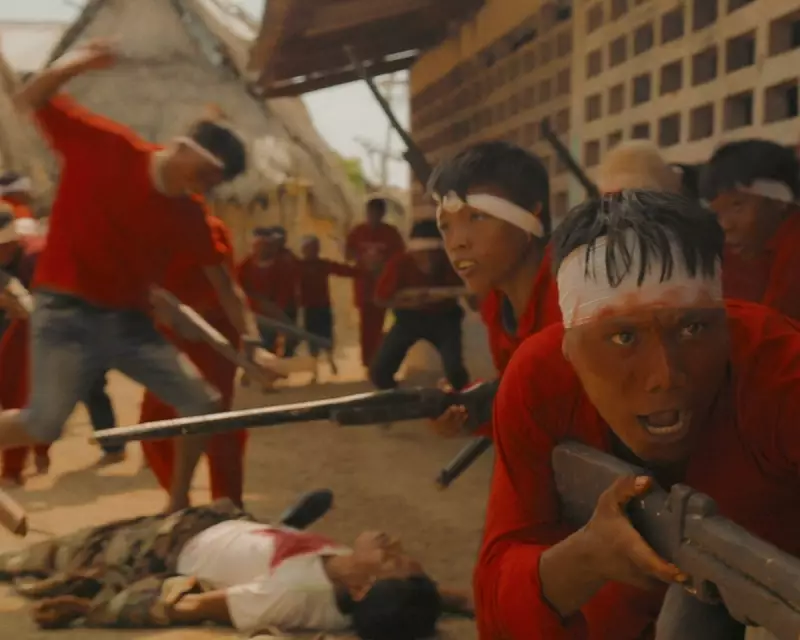
Since that fateful day, generations of Guna people have gathered annually to stage spirited re-enactments of the battle. Wagua's documentary immerses viewers in these vibrant celebrations, where participants dressed in traditional clothing fill the streets waving red and yellow flags of the uprising.
Some of the recreated scenes are brutal, vividly evoking the bloodshed suffered by Guna fighters during the conflict. Despite the intense nature of these depictions, the events remain family-oriented occasions where children learn about a revolution that often receives scant attention in official history books.
Oral History Meets Community Theatre
The documentary cleverly interweaves the theatrical ceremonies with interview segments featuring community elders who relay stories of the struggle passed down from their grandparents. While the transitions between these sequences may occasionally disorient outsiders attempting to follow the timeline, this juxtaposition effectively merges various styles of oral history.
This approach reinforces the importance of Indigenous narratives existing alongside state-sanctioned historical accounts. The tradition represents more than mere performance—it's an active process of cultural preservation that ensures the Guna people's revolutionary story continues to resonate with new generations.
Bila Burba becomes available on True Story from 28 November, offering viewers worldwide a unique window into this remarkable cultural practice that keeps history alive through community participation and theatrical expression.